When you’re about to paint a wall or a room, skipping the primer might seem like a smart shortcut. After all, primer doesn’t really add color. It feels like an extra step that just costs more money and takes more time. But the truth is, skipping primer is one of the biggest painting mistakes people make. And in the long run, it can cost you way more than you saved. Primer is not just white paint—it’s a special layer that helps paint stick better, look smoother, and last longer. Without it, even the best paint job can peel, crack, or fade way too soon.
Let’s break it down in simple terms and talk about what really happens when you leave the primer out.
What Is Primer, Really?
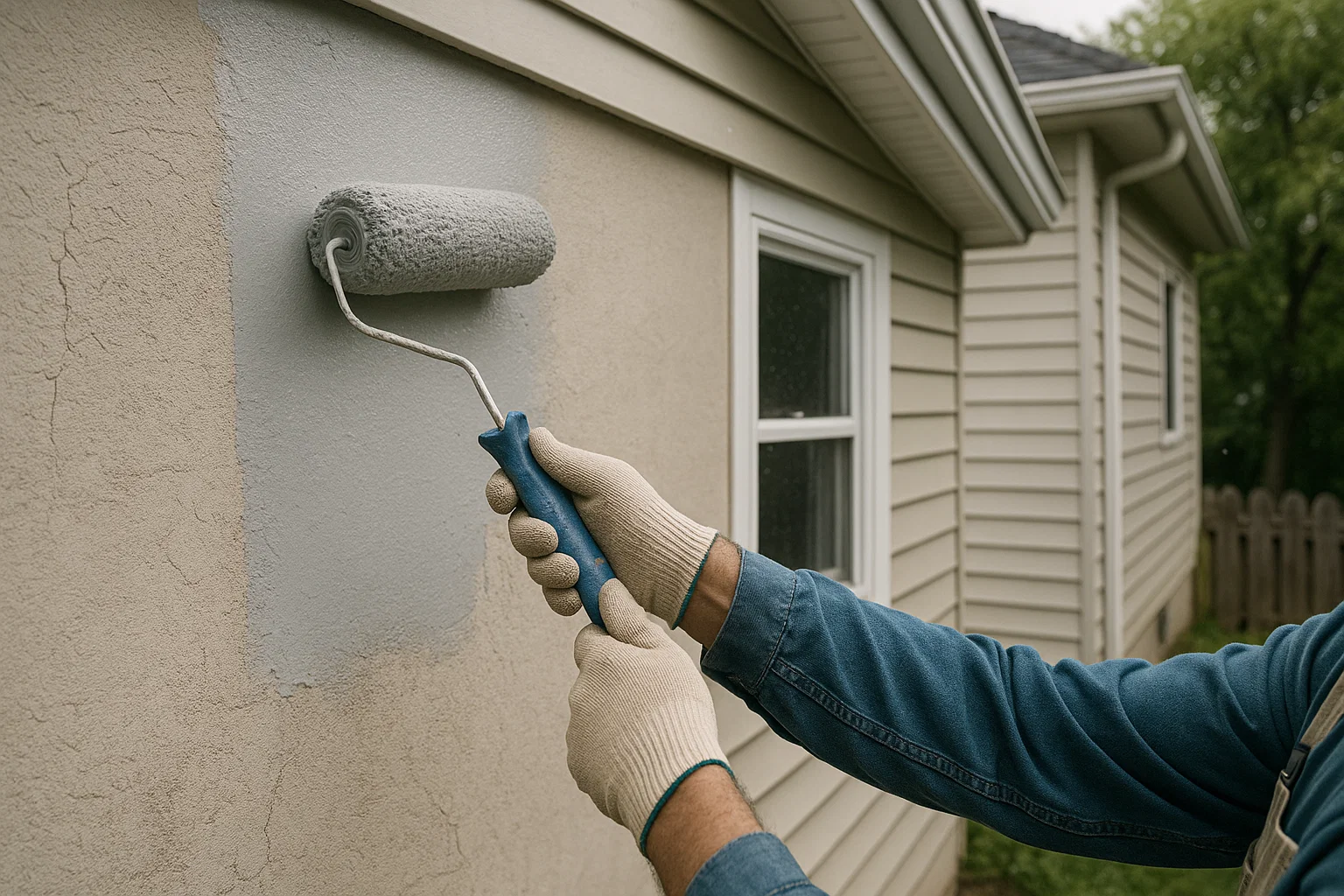
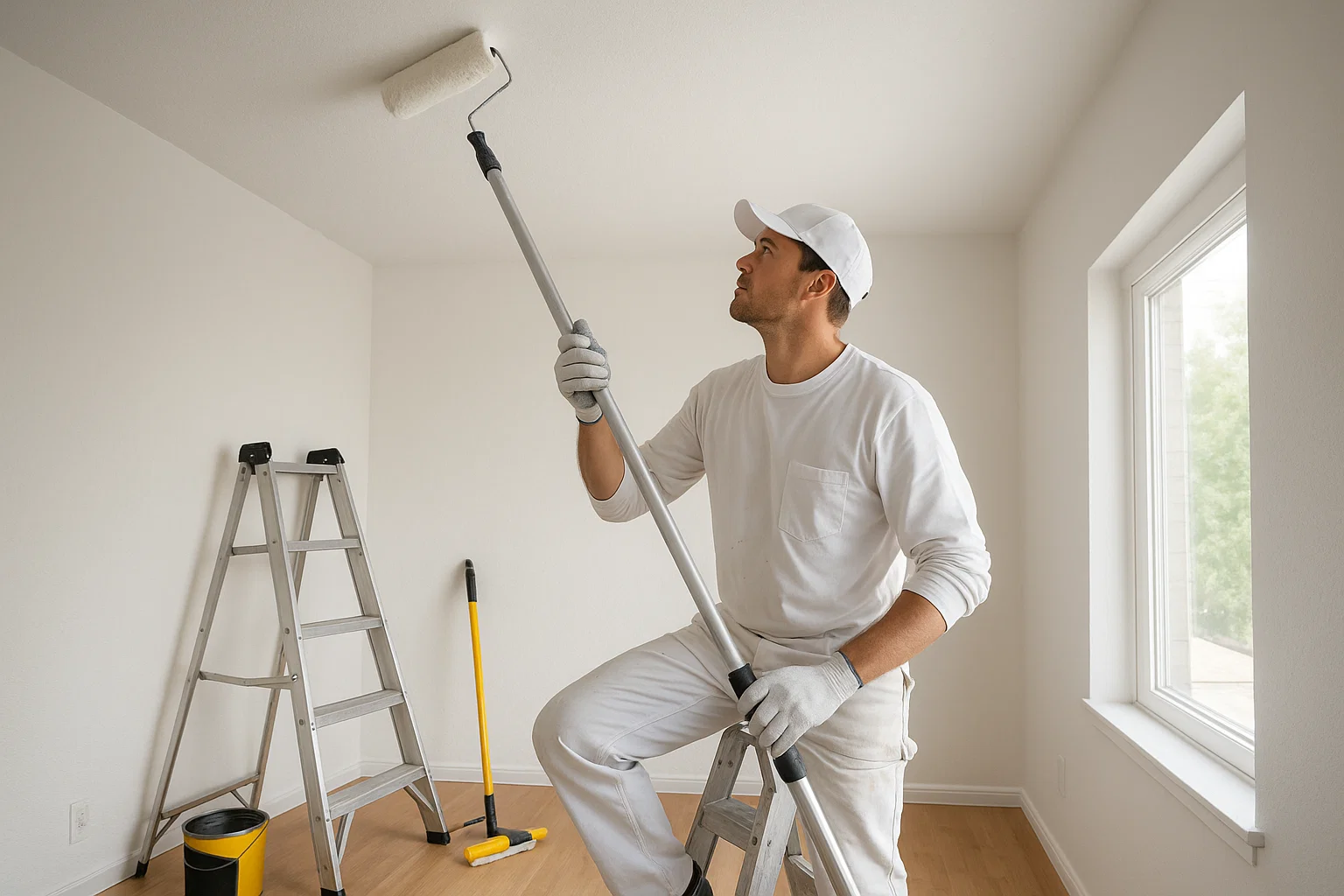
Primer is kind of like the foundation before putting on makeup. It helps create a smooth surface and helps everything stay in place longer. Paint primer is a special kind of coating that’s made to stick to surfaces like drywall, wood, concrete, or old paint. It seals the surface, blocks stains, and helps the topcoat (your color paint) go on evenly and last longer.
It also helps control how the paint dries. Without primer, the surface underneath can soak up the paint unevenly, making it look patchy or dull in spots.
Problem 1: Paint Peels and Chips Faster
One of the first things you’ll notice when you skip primer is that the paint doesn’t stay put. You might finish painting, and it looks okay at first. But in just a few weeks or months, you start seeing little chips or peeling edges. That’s because the paint never properly stuck to the wall in the first place.
Primer acts like glue between your wall and your paint. Without it, the topcoat sits on top and never really bonds. It’s only a matter of time before it starts to come off—especially in humid areas like bathrooms or kitchens.
Problem 2: Uneven Color and Blotchy Patches
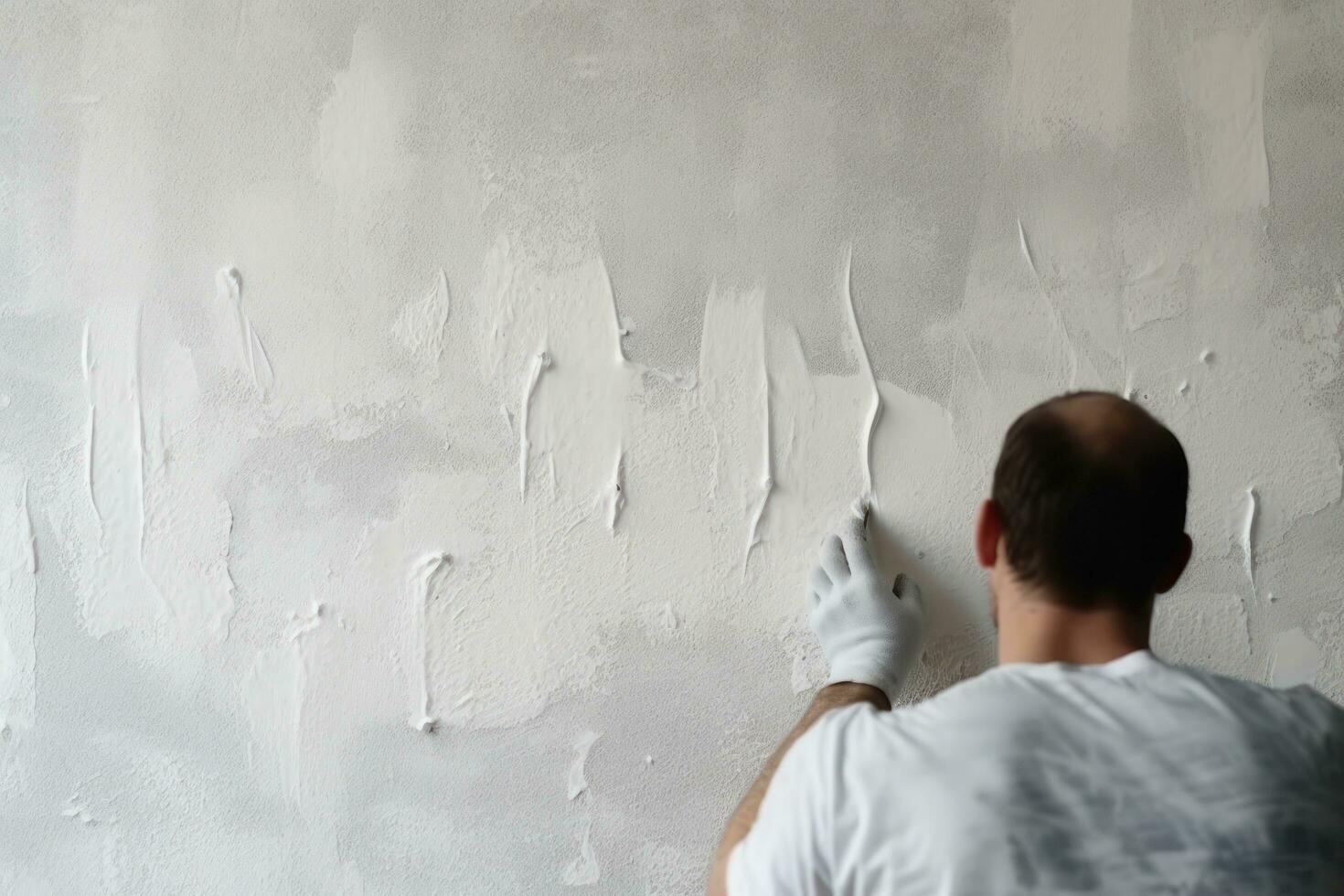
When you paint over new drywall, bare wood, or even patched-up spots, those areas soak up paint differently. If there’s no primer to seal those parts first, you’ll end up with blotches where the paint dries darker or lighter.
This is called flashing, and it can ruin the look of a freshly painted room. You may need to apply multiple coats of paint just to even things out—something that wouldn’t have been necessary if you’d used primer first.
Problem 3: Stains Bleed Through the Paint
If your walls have any kind of stains—water marks, grease spots, ink, or crayon—paint alone won’t cover them up. You can paint over it, sure, but after a few days, the stain will start to show through again.
Primer is made to block stains. It creates a barrier that keeps the marks underneath from creeping up through your beautiful new paint job. Without primer, stains will just keep haunting your walls no matter how many coats of paint you use.
Problem 4: Paint Wears Out Faster
Paint without primer fades faster. It gets scuffed more easily, especially in high-traffic areas like hallways or entryways. That’s because there’s no solid base helping it stick and stay strong.
If you’re painting surfaces that get touched or bumped often, like baseboards, doors, or cabinets, skipping primer can lead to worn-out paint in no time. You’ll end up repainting sooner than you’d like.
Problem 5: Trouble with Dark Colors and Sheens
Planning to go from a dark wall color to a lighter one? Or using a shiny paint like satin or semi-gloss? Primer is essential in these cases. If you skip it, your light paint may not fully cover the dark one beneath it—and shiny paints will highlight every tiny flaw on the wall.
Primer helps smooth everything out and creates a neutral base, so the new paint color shows its true tone. Without primer, your final result might look dull, uneven, or just not what you expected.
Problem 6: It Ends Up Costing You More
Here’s the part most people don’t think about: skipping primer doesn’t actually save money. In fact, you often end up spending more on extra paint to fix blotches or to apply extra coats. You may even need to repaint everything much sooner.
Primer is usually cheaper than paint, and it helps you use less paint overall. So even if it feels like an extra step, it’s actually a smart investment that protects your work and saves money in the long run.
When You Definitely Need Primer
There are a few times when primer isn’t just helpful—it’s absolutely necessary. Here’s when you should never skip it:
- New drywall – The surface is too porous and soaks up paint unevenly.
- Raw wood – Needs to be sealed before it can hold paint properly.
- Paint color change – Going from dark to light (or vice versa) needs a neutral base.
- Stains or smoke damage – Requires a stain-blocking primer first.
- Glossy surfaces – Paint won’t stick well unless it’s sanded and primed.
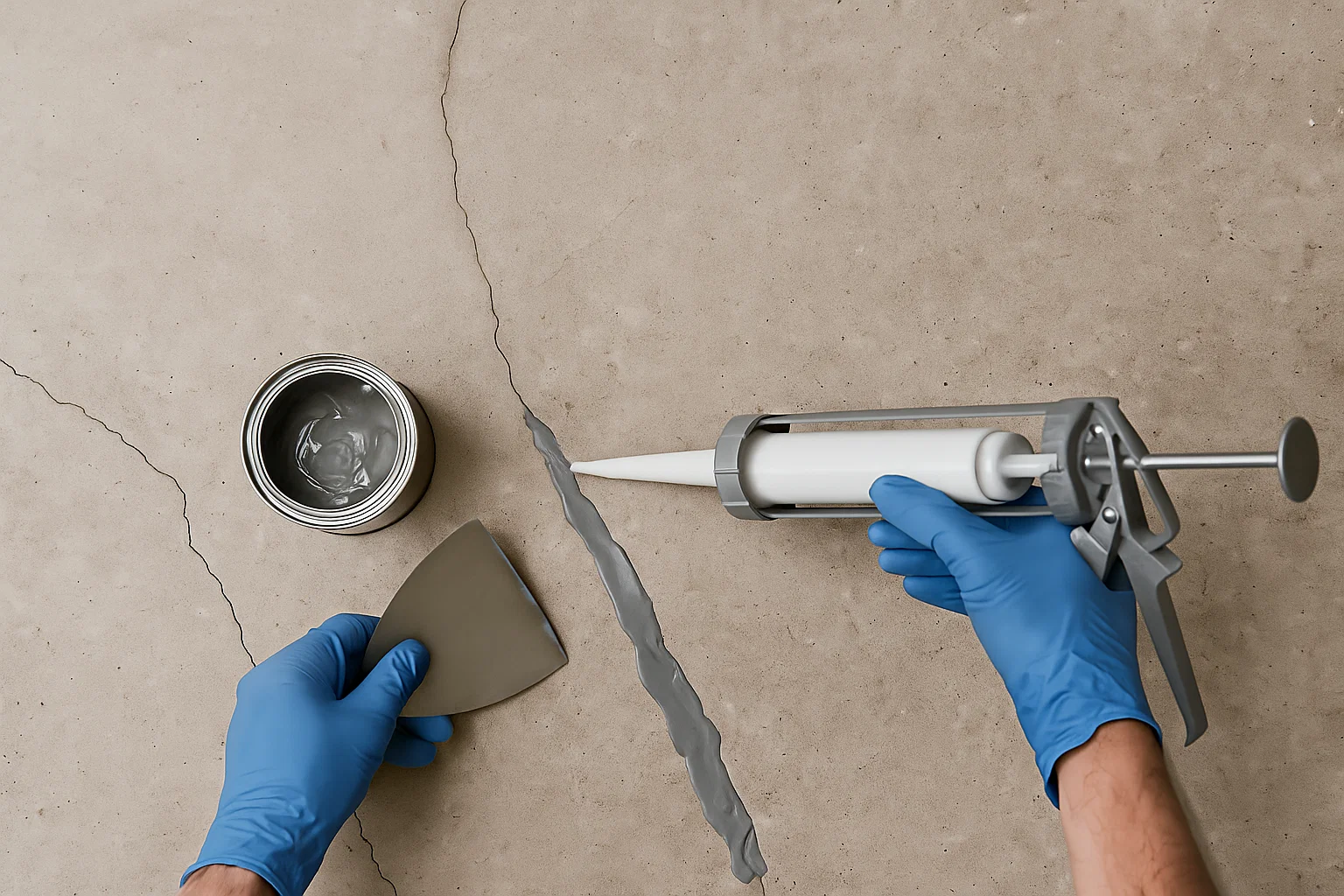
- Masonry or concrete – These need special primers for sealing and adhesion.
There Are Different Types of Primers—Use the Right One
Not all primers are the same. You’ll find different types depending on your surface and needs:
- Oil-based primer – Good for wood, blocks stains, but has a strong smell.
- Latex (water-based) primer – Works well for drywall and is easier to clean up.
- Shellac-based primer – Best for heavy stains, smoke damage, or bad odors.
If you’re not sure which one to use, your painter or local hardware store can guide you. But skipping it altogether? That’s the real mistake.
Final Thoughts: Don’t Skip What Matters
Painting isn’t just about making something look pretty—it’s about making it last. Primer may not be exciting, and it doesn’t add color, but it’s the secret behind a professional-looking finish that stays strong for years. It helps paint stick better, cover better, and resist wear and tear.
So the next time you’re tempted to skip the primer to save a few bucks or cut your project time in half, think about what that shortcut could cost you later. A smooth, long-lasting, vibrant paint job always starts with primer.