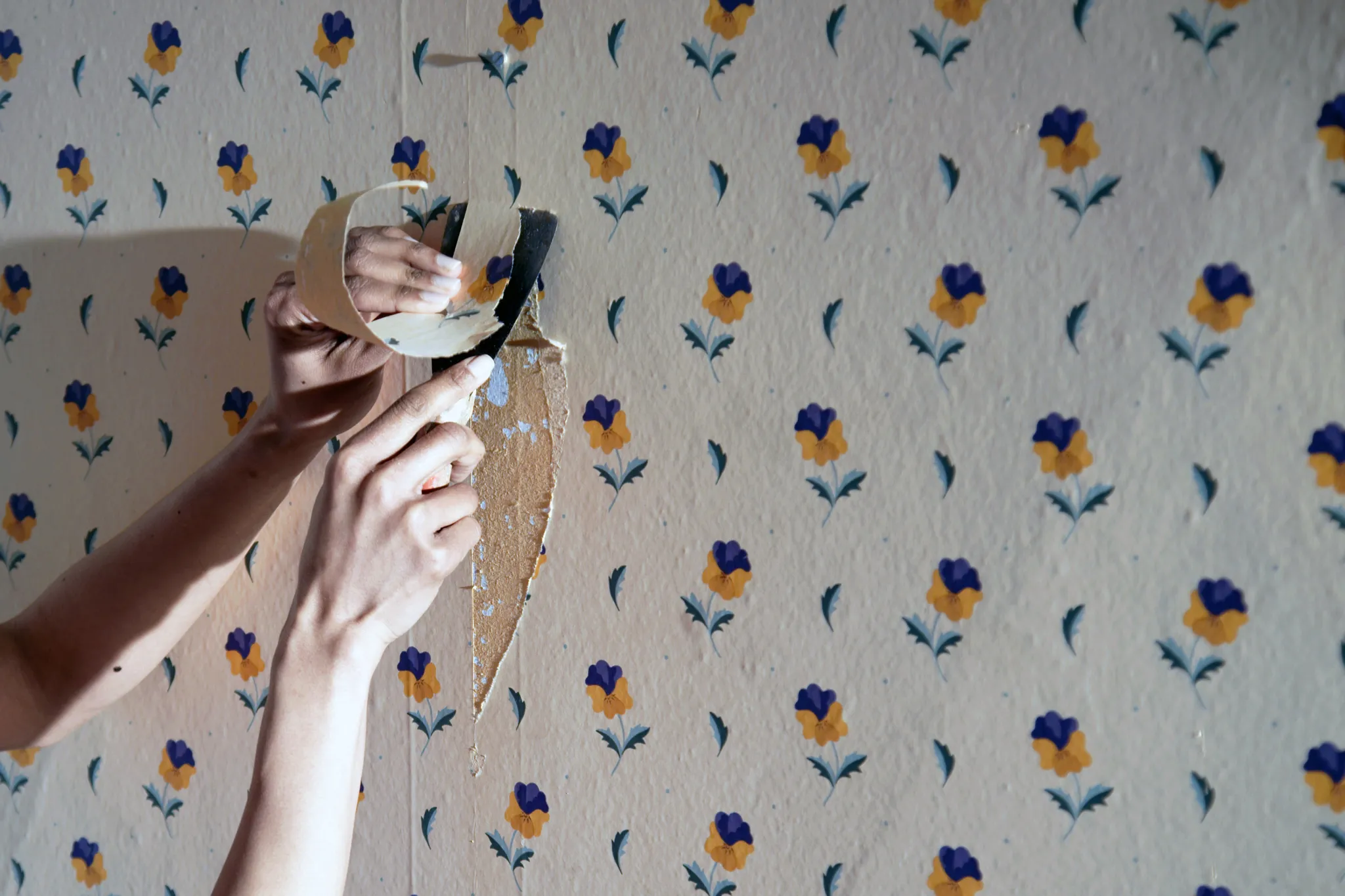
For many DIY enthusiasts, removing wallpaper may seem like a simple project to tackle on their own. However, what seems straightforward can come with significant risks, including potential health hazards and property damage. Before you jump into removing wallpaper yourself, it’s important to understand the risks involved and consider whether it might be more prudent to call in a professional.
1. Exposure to Harmful Chemicals
One of the most significant risks when removing wallpaper involves exposure to hazardous chemicals that may have been used in adhesives. The materials used in wallpaper adhesives have changed over time, and older homes may contain dangerous substances such as formaldehyde, volatile organic compounds (VOCs), lead, and even asbestos. Improper handling of these substances during wallpaper removal can put your health at risk.
Volatile Organic Compounds (VOCs)
VOCs are a group of chemicals often found in traditional wallpaper adhesives. These chemicals can evaporate at room temperature, releasing fumes that are harmful when inhaled. Prolonged exposure to VOCs can lead to severe health issues, such as liver and kidney damage, central nervous system problems, and even cancer. To avoid exposure, consider testing for VOCs before beginning your removal. You can purchase a VOC test kit or hire an expert to evaluate your home’s air quality.
Formaldehyde
Formaldehyde, a colorless, flammable gas with a strong odor, was commonly used in older wallpaper adhesives. Inhalation of formaldehyde can cause a range of health problems, including eye, nose, and throat irritation, respiratory difficulties, skin rashes, and nausea. It has also been classified as a human carcinogen. To protect yourself, consider using a formaldehyde test kit before beginning the project, or consult a professional if you suspect its presence.
Asbestos
Asbestos was once widely used in wallpaper adhesives due to its heat-resistant properties. However, it has since been banned in many countries due to its link to serious health problems, including lung cancer, mesothelioma, and asbestosis. Disturbing wallpaper that contains asbestos can release harmful fibers into the air, which can be inhaled. If you suspect your wallpaper contains asbestos, it is critical to hire a licensed professional to test and remove it.
Lead
Wallpaper adhesives in homes built before 1978 may contain lead, which can be harmful if disturbed. Lead dust can become airborne during wallpaper removal, posing a serious health risk. Lead exposure can result in developmental issues in children, as well as cognitive decline, behavioral problems, and organ damage in adults. If you live in an older home, use a lead test kit or contact a professional for an assessment before starting your project.
2. Mold and Mildew Growth
Over time, moisture can accumulate behind wallpaper, creating an environment conducive to mold and mildew growth. When removing wallpaper, you may unknowingly release harmful mold spores into the air, which can cause respiratory issues and other health problems. It is important to carefully inspect the wall before starting removal, especially in areas that may have experienced water damage or poor ventilation.
3. Electrical Hazards
Another risk when removing wallpaper is accidentally damaging electrical wiring behind the walls. If you do not take extra precautions, it is easy to puncture or cut an electrical line, leading to the potential for electrical shocks, fires, or even electrocution. To mitigate this risk, ensure that the area is free of electrical components before starting the project, or consult a professional if you are unsure.
4. Risk of Injury from Falls
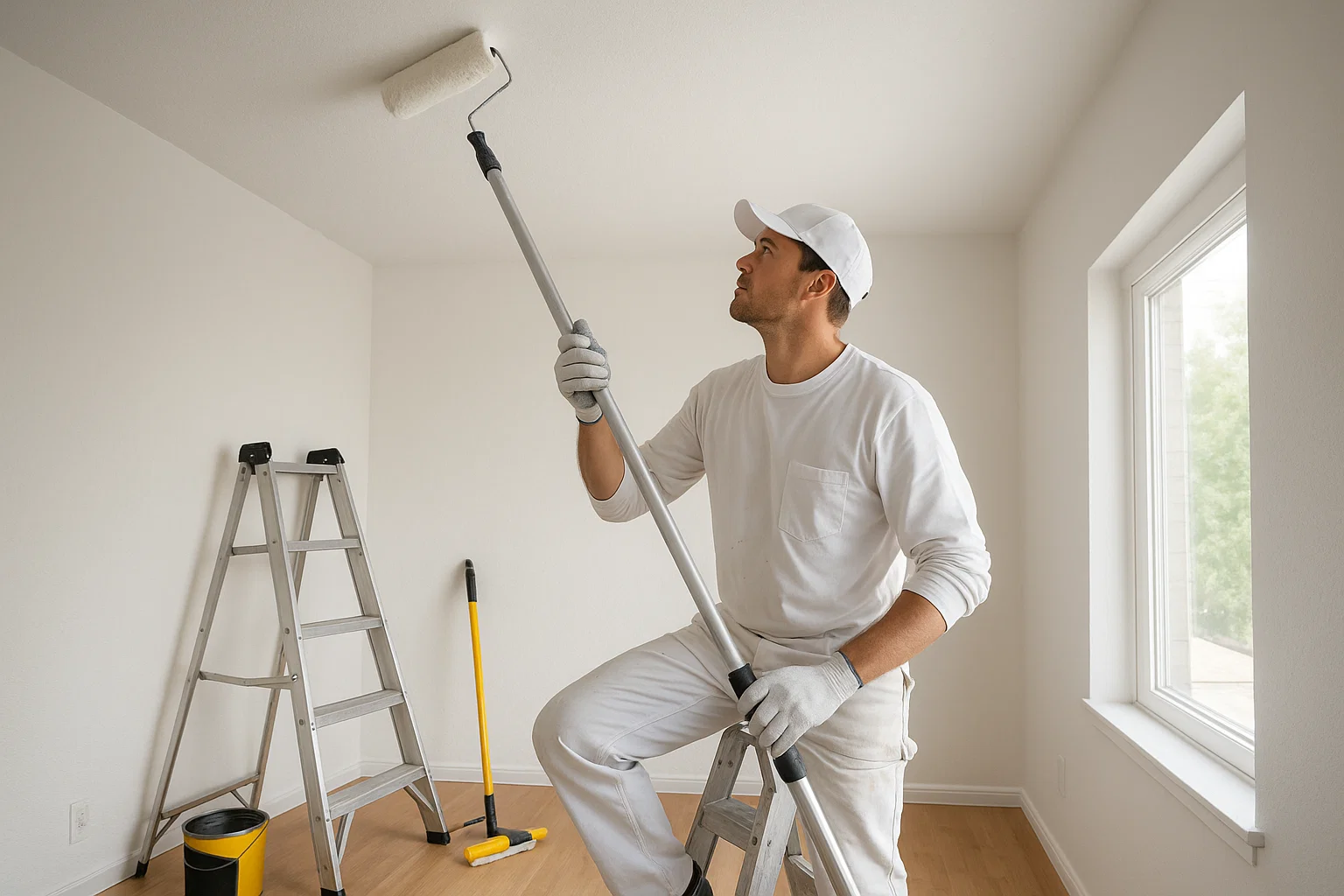
Wallpaper removal often requires using ladders, step stools, or scaffolding to reach higher areas. Unfortunately, these tools come with a risk of falls. Even a minor fall can result in sprains, fractures, or other serious injuries. Always follow basic safety guidelines, such as securing ladders properly and using fall protection when necessary, to minimize the chances of an accident.
5. Damage to Surrounding Surfaces
The process of removing wallpaper is often messy and labor-intensive. If not done carefully, you risk damaging surrounding surfaces, including floors, trim, fixtures, or furniture. In addition, improper removal techniques can cause gouges, scratches, or holes in the drywall, which can be costly to repair. It is essential to protect your home’s surfaces during the removal process by using drop cloths, painter’s tape, and other protective measures.
6. Stress and Frustration
Wallpaper removal is rarely as easy as it seems. Unexpected problems, such as stubborn adhesive or water damage, can cause delays and frustration. If you find yourself lacking the right tools, skills, or experience halfway through the project, you may end up needing to call in a professional to fix the damage. This can add unnecessary stress to an already challenging project and potentially cost more than hiring a professional from the start.
Conclusion
While DIY wallpaper removal may appear to be an affordable and manageable task, it comes with several risks that can result in health issues, property damage, and significant stress. Consider these risks carefully before deciding whether to tackle the project on your own. In many cases, hiring a professional to handle the job safely and efficiently may be the best choice for both your health and your home.