Painted floors can give your home a clean, polished look—especially in garages, basements, and even patios. But over time, you might notice that the once-smooth surface is starting to peel, chip, or fade. When this happens, it’s not just an eyesore, it’s a sign that something went wrong beneath the surface.
In this article, we’ll break down why painted floors fail, what causes peeling or flaking, and how you can fix it the right way. Whether you’re a DIY homeowner or planning to hire a professional, understanding what’s happening underfoot can save you time, money, and frustration.
Why Do Painted Floors Peel or Flake?
Most people assume paint failure is just about age—but that’s only part of the story. Peeling floors usually happen because something went wrong during prep, application, or maintenance.
Here are the most common reasons:
1. Poor Surface Preparation
If the concrete or floor surface wasn’t cleaned properly before painting, the paint won’t stick well. Dust, oil, grease, and moisture can all act as barriers between the surface and the paint. Even a thin film of dust can prevent adhesion and lead to peeling after just a few months.
2. Moisture Problems
Concrete floors are porous. If moisture is coming up from underneath (a common issue in garages or basements), it will push the paint off the surface. This is called “hydrostatic pressure,” and no matter how great the paint is, it won’t stay on if the floor is damp underneath.
3. Wrong Paint or Coating
Using the wrong type of paint—like standard wall paint or low-grade floor paint—can result in early wear. Floors need special paint or coatings that can handle foot traffic, vehicle traffic, and sometimes even chemical spills.
4. Skipping the Primer
Priming helps paint bond better to slick or porous surfaces like concrete. If the primer step is skipped or the wrong kind is used, the paint will likely peel or flake faster than expected.
5. Temperature and Humidity at the Time of Painting
Painting in extreme cold, heat, or humidity can cause the paint to cure improperly. If the paint dries too quickly or unevenly, it won’t stick the way it should, and peeling becomes inevitable.
How to Fix a Peeling Painted Floor
Once you’ve identified the problem, it’s time to fix it properly. This might be a big job—but cutting corners now will only bring the problem back later.
Step 1: Remove the Old Paint
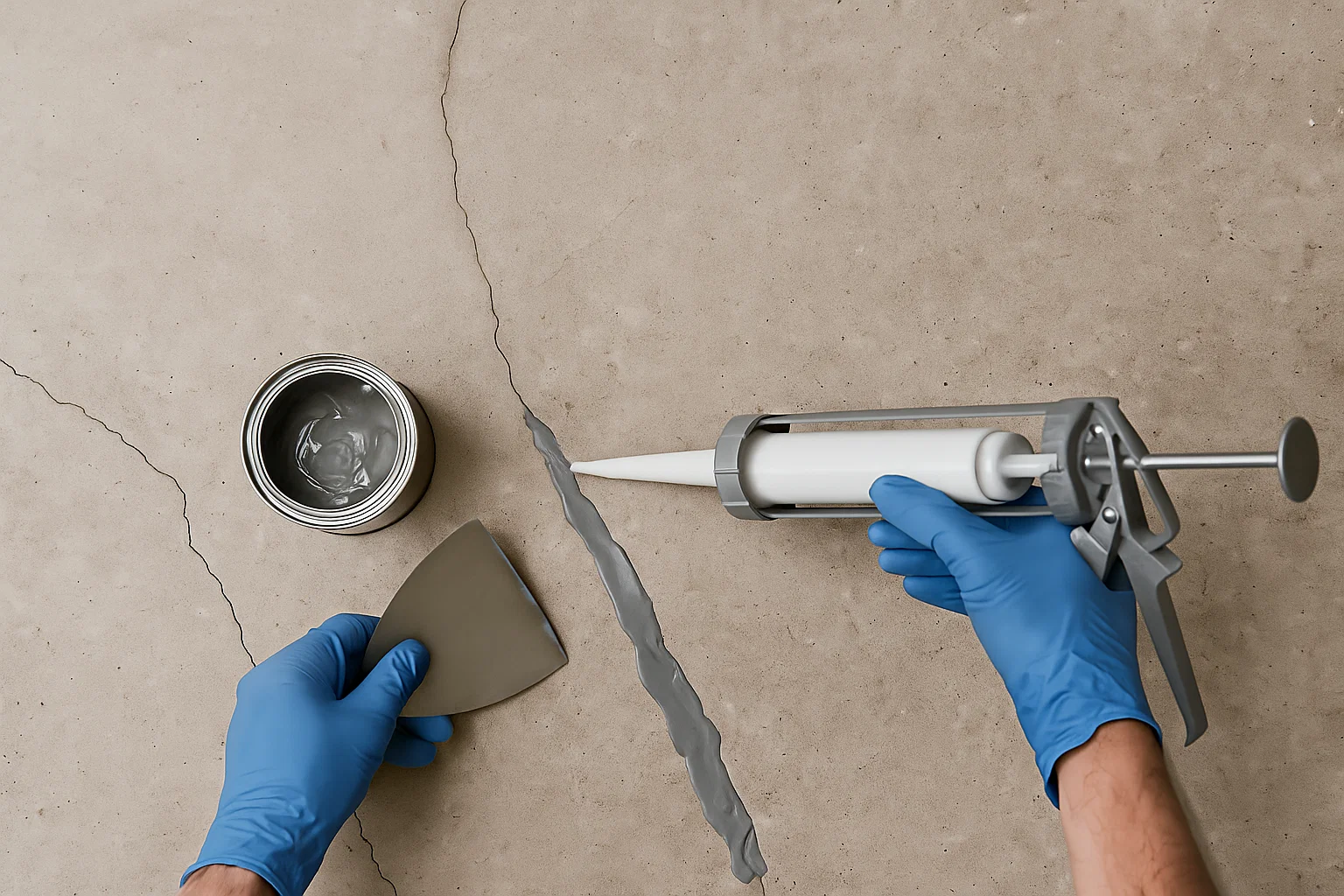
You’ll need to strip away all the peeling, flaking paint. Use a paint scraper, floor grinder, or chemical paint stripper depending on how tough the job is. Don’t just paint over the old—start fresh for a clean bond.
Step 2: Clean the Surface Thoroughly
Sweep and vacuum first, then scrub the floor using a degreasing cleaner or trisodium phosphate (TSP) to remove grease, oil, or chemicals. Rinse well and allow it to dry completely.
Step 3: Test for Moisture
Tape a clear plastic sheet onto the floor and leave it overnight. If condensation forms underneath, you have a moisture problem. In that case, you’ll need a vapor barrier or moisture-blocking primer before repainting.
Step 4: Etch or Grind the Floor
If you’re working on smooth concrete, etching it with muriatic acid or using a concrete grinder will help the paint bond better. This roughens up the surface just enough to create better adhesion.
Step 5: Prime It Right
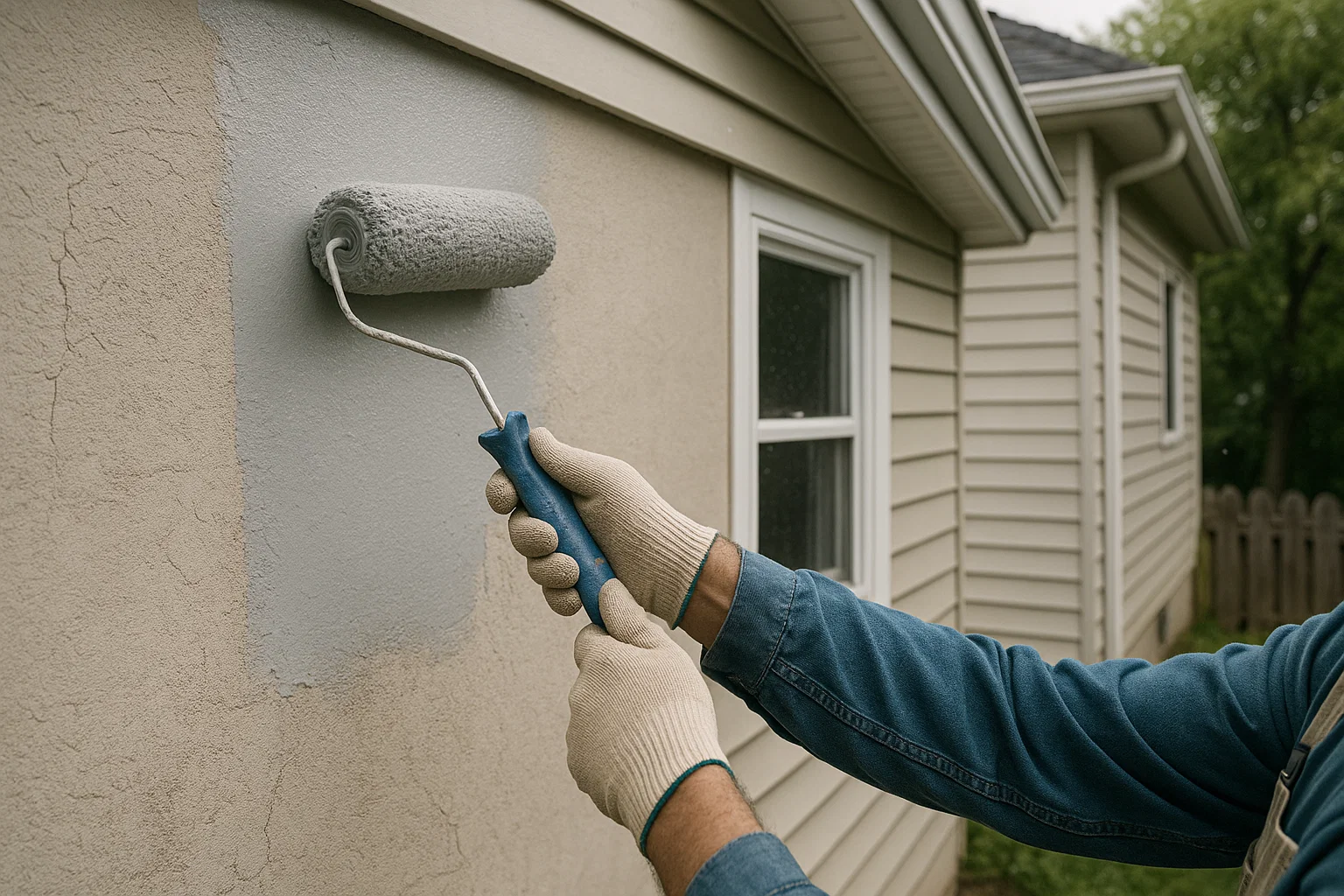
Use a primer made specifically for floors or concrete. This is especially important if you’re painting over previously sealed concrete or dealing with areas that had high wear.
Step 6: Repaint with the Right Product
Choose a floor-specific paint or coating—like epoxy or polyaspartic—that’s designed for high durability. These coatings resist peeling, scratches, and chemicals better than regular paint.
Step 7: Allow Proper Curing Time
Follow the drying and curing instructions on the label. Rushing to move furniture or park a car before the paint fully cures can ruin the finish before it even gets started.
How to Prevent Painted Floors from Peeling Again
Fixing a peeling floor is one thing—but preventing it from happening again is even more important. Here’s how to make sure your next floor paint job lasts:
- Always clean and prep thoroughly. Never skip this step, even if the floor “looks fine.”
- Test for moisture before painting. If there’s moisture, don’t paint until it’s resolved.
- Use high-quality paint designed for floors. Cheap paint might look good at first but won’t last.
- Avoid painting in extreme weather. Mid-range temperatures with low humidity work best.
- Apply a topcoat if needed. Some floor paints recommend a clear sealer for extra durability.
When Should You Call a Pro?
If your painted floor is failing badly, or if you’re not sure what caused the problem in the first place, hiring a professional is often worth it. A pro will have the tools to grind the floor, identify moisture issues, and apply commercial-grade coatings that last much longer than DIY options.
At Paint Top Tier, we specialize in concrete floor painting and high-performance coatings that are built to last. Whether your garage, basement, or shop floor needs repair or a fresh new look, we can help you get it done right—no peeling, no flaking, just results you can count on.
Conclusion: Don’t Let Your Floors Flake Out
Peeling floor paint isn’t just frustrating—it’s a sign that your surface needs attention. With the right prep, products, and know-how, you can restore your painted floor and make it look brand new again.
And if you want help doing it right the first time, Paint Top Tier has your back. We deliver smooth, durable finishes that stand the test of time, with expert service and quality materials that never cut corners.
📞 Reach out today at PaintTopTier.com for a free quote or consultation!