When you live in a place where moisture is a constant companion—whether it’s a damp bathroom, a steamy kitchen, or a humid basement—choosing the right paint isn’t just about looking pretty. It’s about protecting your home from mold, mildew, and water damage, while also making sure your walls remain easy to clean and maintain. In this article, we will walk you through how to select the best paint for high-humidity spaces, why it’s so important, and the factors you need to consider. This information is aimed at making your home a healthier, safer, and more attractive place to live.
Understanding High-Humidity Spaces
High-humidity spaces are rooms or areas in your home where the level of moisture in the air is consistently above average. Bathrooms and kitchens are common culprits because water is always in use, and basements or laundry rooms can also suffer from extra moisture. These spaces face unique challenges: excess moisture can cause paint to peel, blister, or become a breeding ground for mold and mildew. Because of this, you must choose products that can handle the challenge head-on.
For many homeowners, the focus on paint selection may seem secondary compared to other projects, such as re-tiling or installing new fixtures. However, neglecting the importance of good-quality, humidity-resistant paint can lead to long-term problems such as constant repainting, mold issues, or damage that can affect the overall structure of your home. With the right paint, you’re not just covering up the problem—you’re helping to prevent it.
Why Paint Selection Matters in Humid Environments
Paint is the first line of defense between your walls and the elements. In high-humidity areas, moisture can seep into surfaces and cause damage long before you even notice a patch of discoloration or peeling. Here’s why choosing the best paint matters:
Prevents Mold and Mildew Growth
Mold and mildew thrive in damp, poorly ventilated areas. Standard paints do little to prevent this, but special mold-resistant paints come with additives that can slow down or prevent the growth of these harmful organisms. This isn’t just about aesthetics—the right paint protects your family’s health.
Protects the Structure
Excess moisture isn’t only a cosmetic problem; it can lead to structural damage. Paint that isn’t formulated to handle humidity can start to blister or crack, allowing water to penetrate the wall. Over time, this can weaken the underlying material. Investing in the proper paint can shield your wall surfaces from water damage.
Maintains Appearance and Longevity
Walls in high-humidity spaces often have a shorter lifespan when painted with inappropriate products. Proper humidity-resistant paint is designed to maintain its color and finish even in less-than-ideal conditions. This means fewer touch-ups, less frequent repainting, and a consistently attractive space.
Key Factors to Consider
When choosing the right paint for high-humidity spaces, several factors come into play. Knowing what to look for can save you time and money in the long run.
1. Paint Formulation and Additives
Not all paints are created equal. For high-humidity areas, look for paints that are specifically labeled as mold or mildew resistant. These products often contain anti-microbial agents that help to curb the growth of mold. Some products might also include fungicides for added protection. It’s worth spending a little extra on these formulations because they can greatly extend the lifespan of your walls and contribute to a healthier indoor environment.
2. Base: Water-Based vs. Oil-Based
The type of paint base can make a difference. Most modern humidity-resistant paints are water-based. These tend to be easier to clean up, have lower levels of volatile organic compounds (VOCs), and dry faster. Oil-based paints, although durable, can sometimes be less flexible in high-moisture environments; they can crack if the substrate expands and contracts with temperature and moisture changes. Water-based acrylic paints are preferred for their flexibility and ease of application, making them ideal for bathrooms and kitchens.
3. Paint Finish
The finish of your paint plays an important role in areas with high humidity. Glossy finishes (like semi-gloss or high-gloss) are easier to wipe down, which is valuable in spaces that are prone to splashes or condensation. However, a too-high gloss might reveal imperfections on the wall. Satin finishes strike a good balance between cleaning ease and subtlety. Matte finishes, while popular for their modern look, are generally not recommended for high-humidity areas because they can be harder to clean and more susceptible to stains.
4. Durability and Washability
High-humidity spaces are prone to getting dirty faster due to splashes and steam. Choose a paint that is noted for its durability and washability. Many paints designed for kitchens and bathrooms offer additional cleaning capabilities without the need for harsh chemicals. This means you won’t have to worry about damaging your walls when you clean them.
5. VOC Content and Indoor Air Quality
For many homeowners, indoor air quality is a top priority. Paints with low VOC content or “no-VOC” options are widely available and are especially important in spaces where air circulation may be limited. Low-VOC paints reduce the risk of headaches, dizziness, or respiratory issues caused by volatile chemicals, particularly in areas where families spend a lot of time.
Practical Tips for Choosing and Applying Paint in High-Humidity Areas
Taking the extra time to choose the right paint is half the battle. How you apply the paint and maintain it is just as important.
Proper Surface Preparation
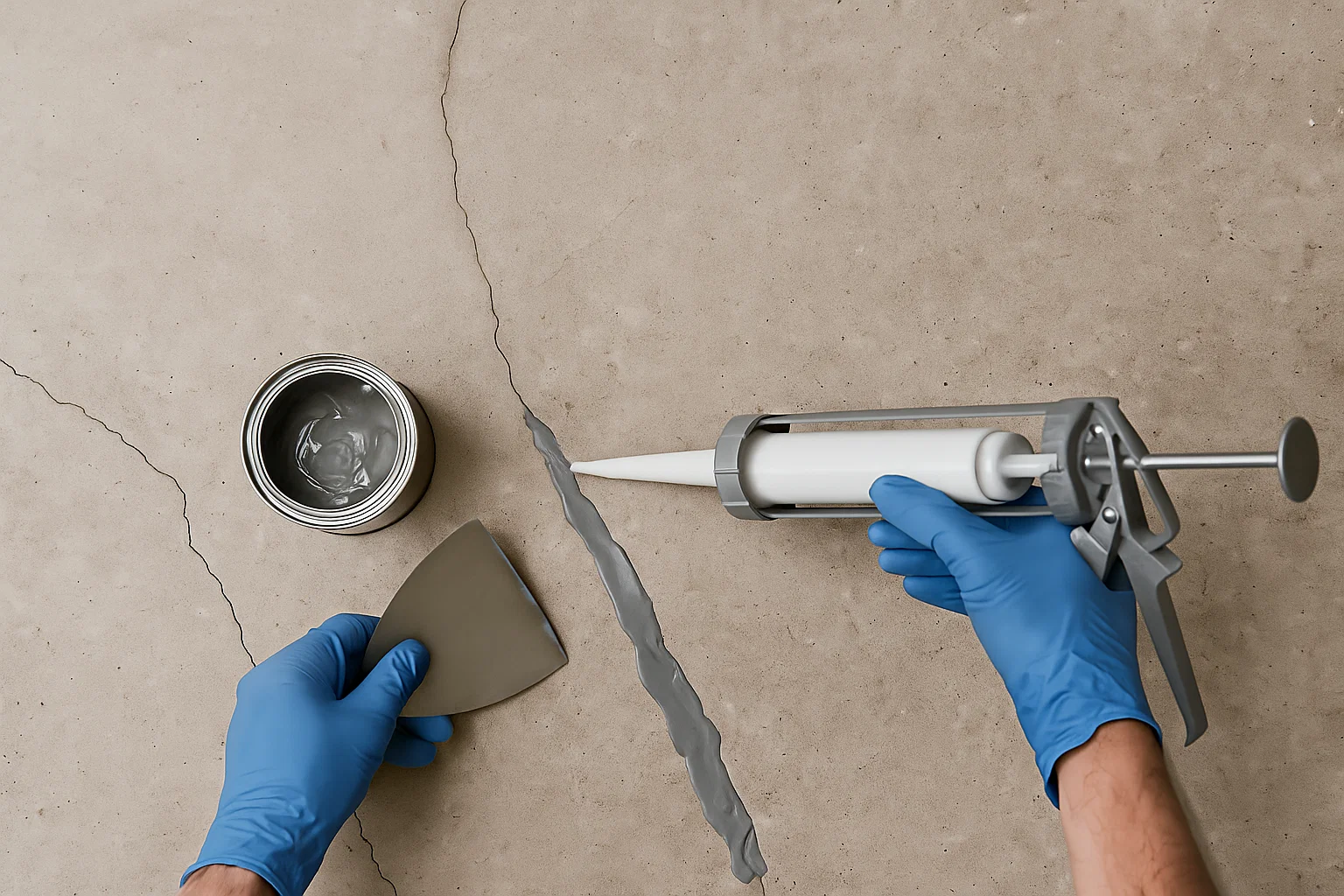
Before you start painting, prepare your surfaces well. High-humidity areas often have surfaces that are slick or stained by previous moisture issues. Clean your walls thoroughly with a degreasing cleaner, and if there is any peeling or flaking paint, remove it. Sanding the surface can also help the primer and paint adhere better. In areas where mold has been a problem, consider using a mixture of water and bleach to kill any lingering spores. After cleaning and drying, apply a high-quality primer designed for humid environments. This extra step seals the surface and further protects against moisture.
Ventilation is Key
While choosing the right paint is crucial, don’t underestimate the value of proper ventilation. Good air circulation can help reduce humidity levels and speed up drying times. Install exhaust fans in bathrooms and kitchens, and open windows whenever possible when painting. This not only protects your new paint job but also improves overall indoor air quality.
Apply Multiple Coats for Best Results
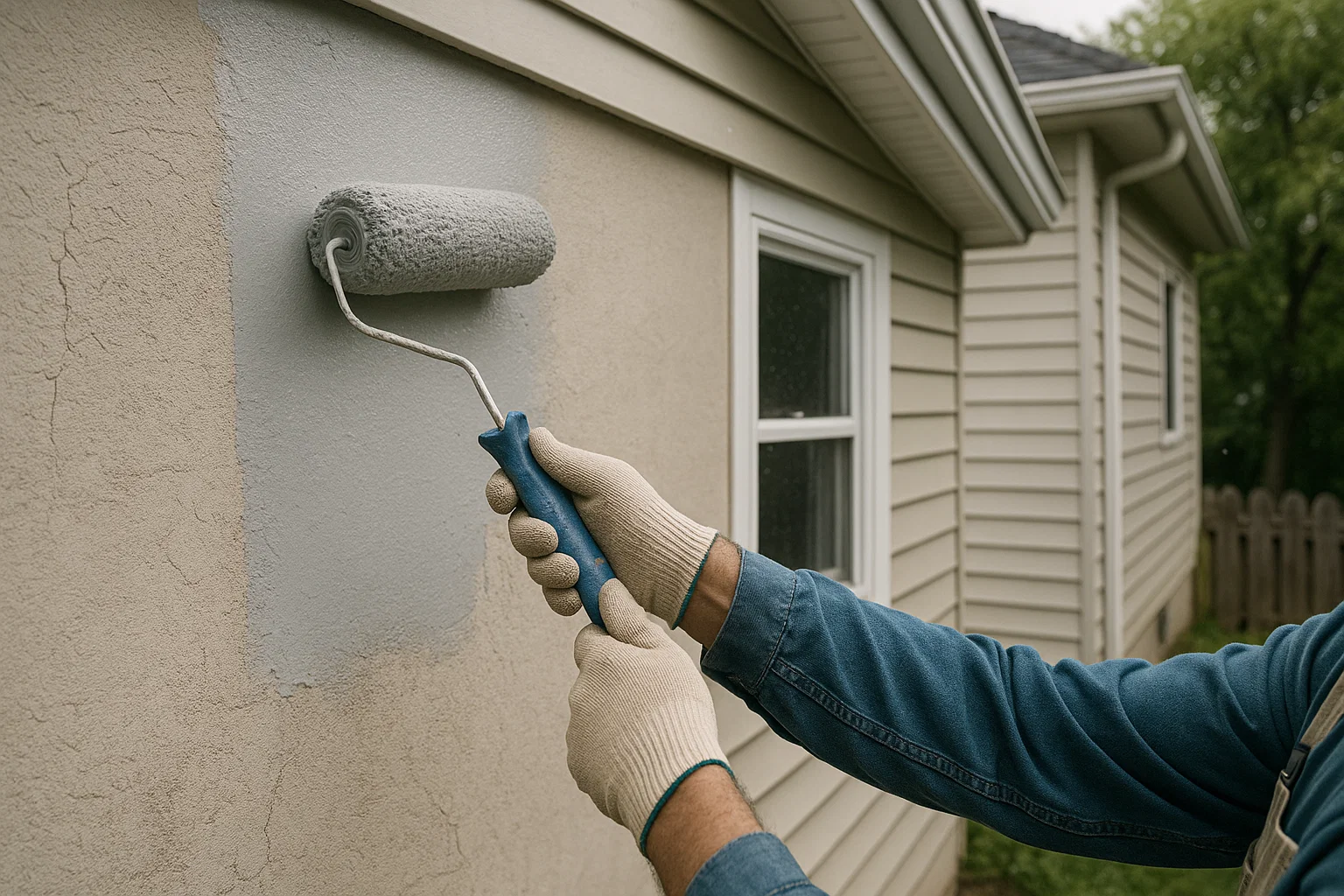
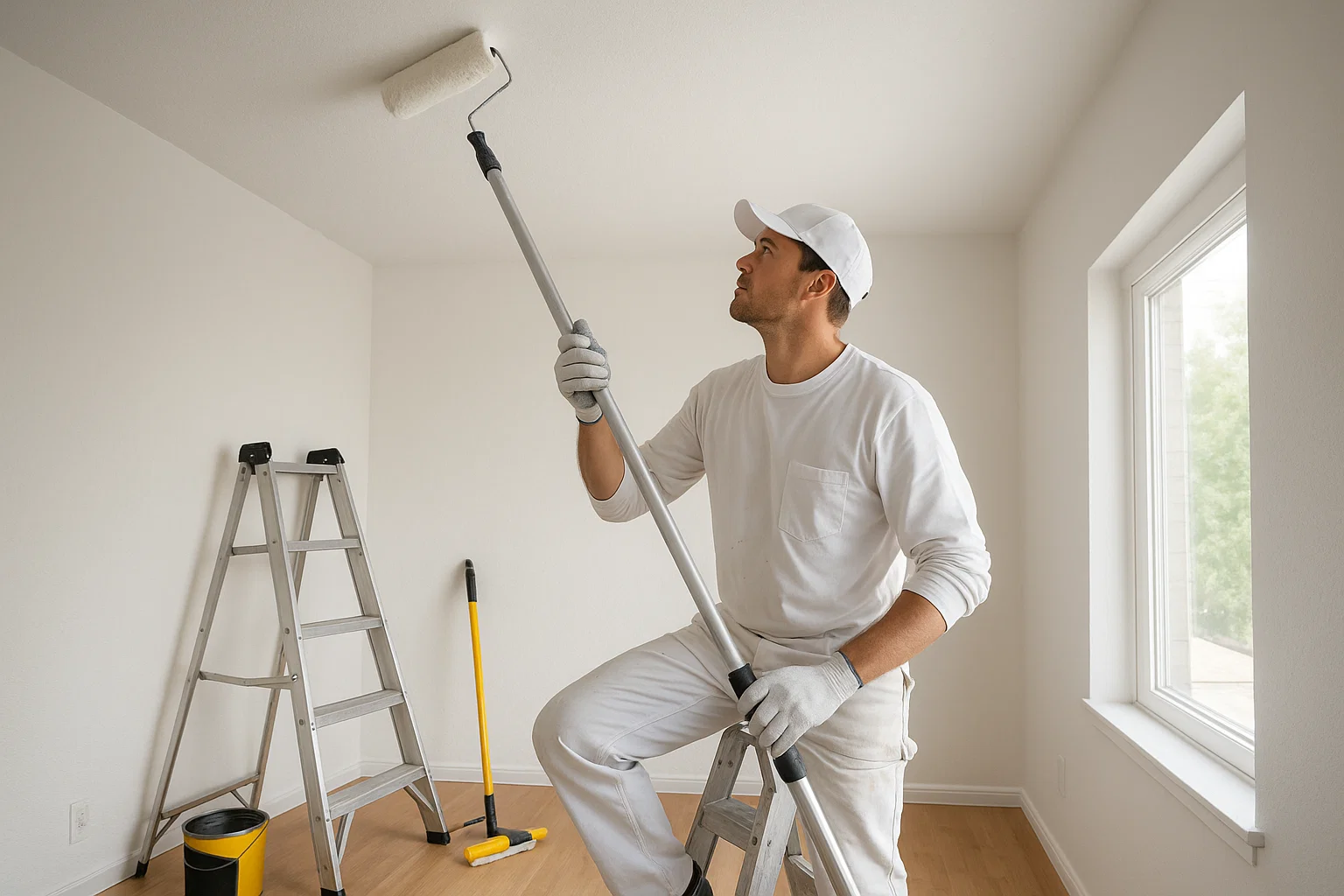
In high-humidity conditions, applying multiple thin coats is far better than one thick coat. Multiple layers help create a stronger, more uniform barrier against moisture. Give each coat adequate time to dry fully before applying the next. This process might add some time to your project, but it’s worth it for a long-lasting finish.
Regular Maintenance and Cleaning
Even after you’ve used the best paint available, routine maintenance is necessary. Regularly clean the painted surfaces with mild soap and water to remove moisture and prevent grime from building up. Periodically checking for signs of mold or deterioration can help you catch and fix issues before they become serious problems.
Real-Life Examples and Case Studies
Imagine a family with a small, damp bathroom that has struggled with mold and peeling paint for years. They decide to invest in a specialized, low-VOC, mold-resistant, water-based paint with a satin finish. Prior to painting, they thoroughly clean and sand the walls, then apply a primer designed for high-humidity conditions. After several coats, not only did the bathroom look rejuvenated, but the constant problems of peeling and mold growth were dramatically reduced. The success of this project demonstrates how choosing the correct type of paint—combined with proper preparation—can transform a problematic space into a comfortable, safe environment.
In another case, a local restaurant dealing with a humid kitchen found that frequent cleaning and exposure to heat were quickly deteriorating their walls. By switching to a durable, easy-to-clean, semi-gloss paint that was specifically formulated for high-moisture areas, they dramatically improved the longevity of their walls. The restaurant reported fewer maintenance issues and even noticed a small improvement in energy costs because the reflective nature of the new paint kept the space slightly cooler.
These examples prove that the right paint isn’t just about color—it’s about protection, health, and saving money in the long run.
Final Thoughts: Investing in the Best for a Healthier Home
Choosing the best paint for high-humidity spaces is an investment in the longevity and safety of your home. While it might seem like a minor detail in your overall home improvement project, using paint specifically designed to handle moisture can prevent significant problems later on. From preventing mold and mildew to protecting the structure of your walls, the benefits are clear.
When planning your next renovation or refresh for a humid area, remember to factor in the type of paint, its finish, the necessary surface preparation, and the importance of ventilation. These steps not only lead to a beautiful finish but also create a healthier living environment.
So next time you’re in a bathroom, kitchen, or basement that struggles with moisture, consider starting with the right paint. It might be the simplest change you make—but it can have the biggest impact on your home’s comfort and safety. Whether you’re a DIY enthusiast or prefer to call in the professionals, making informed choices can save you time, money, and stress down the road.
If you ever need help deciding or want advice on the best products to use, don’t hesitate to reach out to experts who understand the challenges of high-humidity spaces. A fresh coat of the right paint could be just what you need to transform your environment for the better!