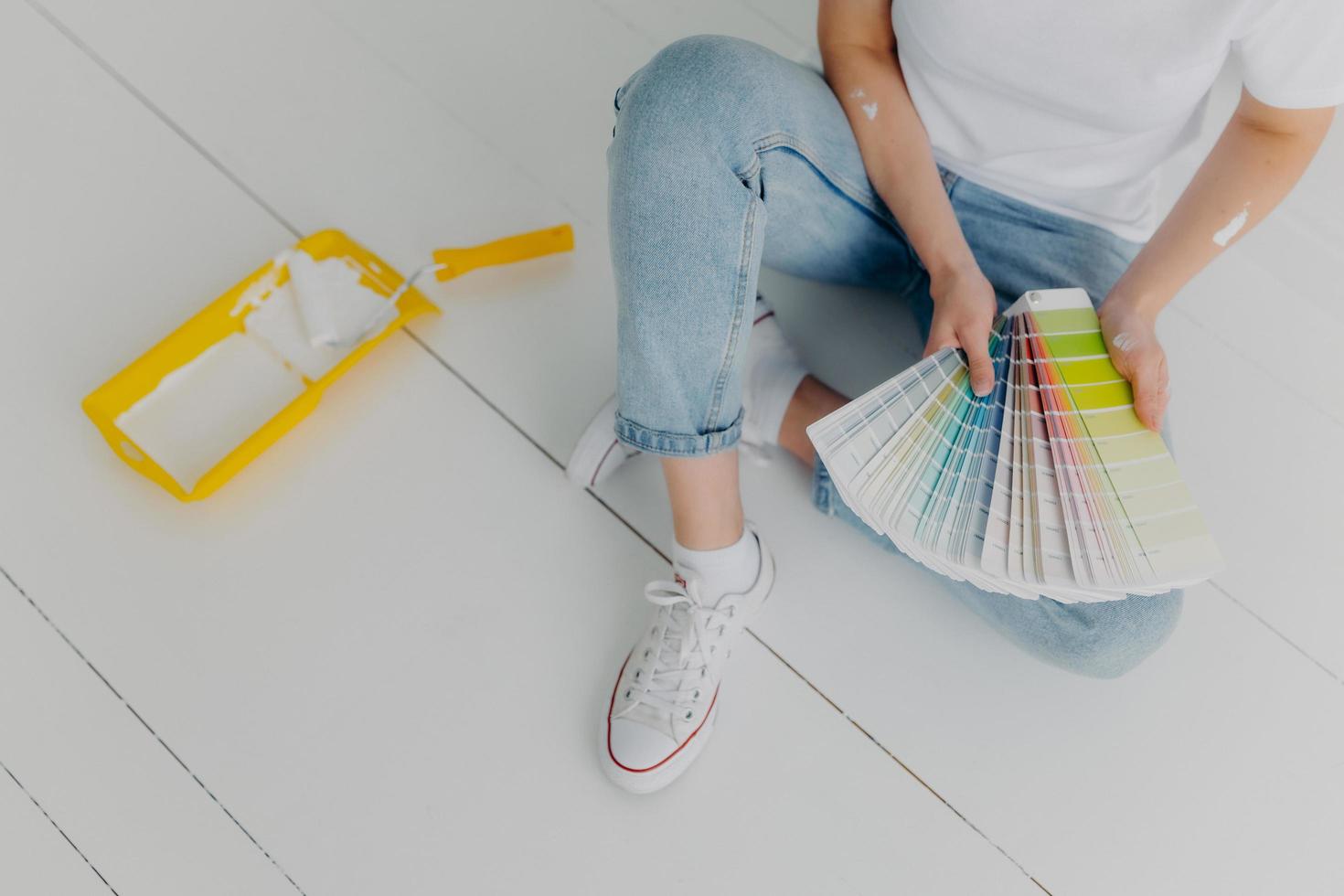
When people think about getting a better night’s sleep, they usually think of things like buying a new mattress, cutting back on caffeine, or setting a consistent bedtime. But there’s something else that plays a quiet, powerful role in how well you sleep—and that’s the color of your bedroom walls. It might sound too simple to matter, but paint color has a big effect on how your brain relaxes, how your body settles down, and even how long you stay asleep. Choosing the right paint color can be the difference between tossing and turning or waking up feeling truly rested.
Why Color Affects the Way We Sleep
Colors have more power than we give them credit for. They don’t just look pretty—they send signals to the brain. That’s because color affects how we feel. Some colors calm us down, while others keep us alert and awake. This is called color psychology, and it’s used in everything from restaurant design to hospital rooms. In bedrooms, calming colors help the body release melatonin, a hormone that tells your body it’s time to rest. On the flip side, bright or bold colors can keep your mind too active, making it hard to wind down.
Best Paint Colors for Better Sleep
So, what colors actually help you sleep better? The answer depends on how your brain reacts to different tones, but here are some of the most sleep-friendly paint shades:
1. Soft Blues
Blue is known as one of the most calming colors in the entire color spectrum. Light blue, especially in pale or grayish tones, has been shown to reduce blood pressure and slow your heart rate. That’s why it’s often used in spas and relaxation rooms. Painting your bedroom in soft blue can create a peaceful environment that helps your brain know it’s time to sleep.
2. Muted Greens
Green is a natural, earthy color that reminds us of forests, plants, and calm spaces. Soft greens, especially with gray or beige undertones, create a sense of balance and restfulness. Green doesn’t overstimulate the brain, which makes it a great choice for people who have trouble falling asleep.
3. Gentle Grays and Beiges
Neutral colors like gray and beige may seem boring to some, but they’re incredibly effective at creating a quiet, cozy bedroom. These colors don’t fight for attention or energize your mind. Instead, they fade into the background and allow your body to fully relax.
4. Lavender or Light Purple
Soft purples, especially those with gray or pastel tones, can create a luxurious and calming space. Lavender has been linked to reduced anxiety, and it gives a room a gentle, comforting vibe.
Colors to Avoid in the Bedroom
Just like certain colors help you sleep, others can work against you. Here are some shades to avoid painting in your bedroom:
1. Bright Reds
Red is the color of energy, passion, and alertness. It increases your heart rate and can make you feel more awake. That’s great for a gym or kitchen, but not ideal when you’re trying to fall asleep.
2. Bold Yellows and Oranges
These colors are cheerful and fun, but they also stimulate the brain and make you more alert. They’re great for daytime rooms like playrooms or offices, but they can keep you tossing and turning at night.
3. Sharp Whites
While clean white walls look crisp and fresh, they can sometimes feel too sterile or cold. In bedrooms, pure white may reflect too much light and feel uncomfortable, especially at night when you’re trying to relax.
Other Ways Paint Impacts Your Sleep Environment
Beyond just the color, the type of paint finish and the lighting in the room can also make a difference. A high-gloss finish reflects a lot of light, which can make a room feel too bright, especially under lamps or natural light. For bedrooms, a matte or eggshell finish is better because it absorbs more light and feels softer.
Also, the temperature of your lighting matters. Warm-toned lights (like soft white or warm LED bulbs) work best in bedrooms. They help bring out the warmth in calming paint colors, while cool-toned lights can make even a soft color feel harsh.
Creating a Complete Sleep-Friendly Space
Painting your bedroom a restful color is one part of a bigger picture. To really create a space that supports great sleep, consider the following:
- Keep clutter to a minimum – A clean, organized room helps your brain relax.
- Use blackout curtains – Too much light from outside can interrupt your sleep, even with the right paint color.
- Keep your walls simple – Bold patterns, busy wallpaper, or too many hanging decorations can overstimulate your brain.
- Add cozy textures – Soft bedding, rugs, and curtains make the room feel warm and welcoming.
When you combine the right color with other calming elements, your bedroom becomes a true rest zone—a place your brain and body recognize as somewhere to let go, wind down, and recover.
A Simple Change with Big Results
It might seem like just a can of paint, but choosing the right bedroom color can improve your sleep in ways you never imagined. Your body and mind respond to your surroundings. When you walk into a bedroom with soft, calming colors, it’s like your brain gets the message: “It’s time to relax.”
If you’ve tried everything to get better sleep and nothing has worked, maybe it’s time to look at your walls. A fresh coat of the right paint could be the easiest, most affordable way to help you sleep deeper and feel better every morning.