Living in a busy household or working in an active office often means constant foot traffic, slamming doors, and echoing footsteps. Hard floors like concrete, tile, or even wood can turn every step into a loud announcement, making it hard to concentrate, relax, or even carry on a conversation. That’s where acoustic floor coatings come in. These special coatings not only protect and beautify your floors but also absorb sound, turning noisy rooms into peaceful retreats. In this article, we’ll explore what acoustic floor coatings are, how they work, why they matter, and how you can choose and apply the right one to transform your space.
Why Noise Matters More Than You Think
Imagine trying to read a book in a room where every footstep echoes like a drum. Or picture working from home next to a playroom where kids are running around. Noise isn’t just annoying, it can affect your mood, productivity, and even your health. Studies show that prolonged exposure to loud environments can lead to stress, headaches, and trouble sleeping. Acoustic treatments on walls and ceilings are common, but we often overlook the floor’s role in noise control.
Floors cover the largest surface in most rooms, and hard surfaces reflect sound rather than absorb it. This reflection creates echoes and amplifies footsteps, chair movements, and dropped objects. By adding an acoustic floor coating, you introduce a layer that both cushions sounds at the source and dampens echoes throughout the room. The result? A quieter, more comfortable environment where conversations flow easily and concentration comes naturally.
What Are Acoustic Floor Coatings?
Acoustic floor coatings are specially formulated layers often made of polyurethane or epoxy mixed with sound‑absorbing additives that you apply directly over existing hard floors. Unlike standard floor paints or sealers, acoustic coatings contain microscopic air pockets or rubbery particles that trap and dissipate sound waves. Some even include fine cork or rubber granules for extra cushioning.
Key characteristics of acoustic floor coatings:
- Sound Absorption: They reduce impact noise (footsteps, dropped objects) and airborne noise (voices, music).
- Durability: Designed to withstand foot traffic, rolling chairs, and even light wheeled equipment.
- Moisture Resistance: Most are water‑resistant, making them suitable for kitchens, basements, and bathrooms.
- Aesthetic Variety: Available in clear, tinted, or decorative finishes to match any décor.
By combining noise reduction with floor protection, acoustic coatings offer a two‑in‑one solution for homes, offices, schools, and healthcare facilities.
Benefits of Acoustic Floor Coatings
1. Quieter Living and Working Spaces
The most obvious benefit is a reduction in noise. Acoustic coatings can cut impact noise by up to 50% compared to untreated hard floors. This makes open‑plan homes feel cozier and helps offices reduce distraction from hallway traffic.
2. Enhanced Comfort Underfoot
Many acoustic coatings include soft polymers that give floors a slight “give,” making long periods of standing or walking more comfortable. For households with young children or elderly family members, this extra cushioning can make a real difference.
3. Improved Acoustics for Recording and Leisure
Home studios, playrooms, and media rooms benefit greatly. Acoustic floors help balance sound, preventing bass from booming and voices from echoing. Your piano lessons, movie nights, or video calls will all sound clearer.
4. Protection and Longevity
Acoustic coatings serve as a protective top layer, resisting scratches, stains, and moisture. They can extend the life of your existing floor by shielding it from damage and wear.
5. Easy Maintenance
Most acoustic coatings are sealed with a clear topcoat, creating a smooth, non‑porous surface that’s easy to mop or wipe clean. Regular sweeping and occasional damp mopping are usually all that’s required.
Types of Acoustic Floor Coatings
There are several varieties of acoustic floor products on the market, each with its own strengths:
1. Polyurethane Acoustic Coatings
Polyurethane is a popular choice because it’s durable, water‑resistant, and can be formulated with sound‑absorbing additives. Clear versions let the original flooring show through, while tinted options allow you to change the color.
2. Epoxy-Based Acoustic Systems
Epoxy coatings are extremely tough and chemical‑resistant. When blended with rubber or cork particles, they provide excellent noise dampening and are ideal for industrial or commercial spaces.
3. Rubber-Infused Floor Paints
These water‑based paints include finely ground rubber particles. They offer a softer feel underfoot and good sound absorption, making them a favorite for schools, gyms, and play areas.
4. Cork-Blend Coatings
Cork is naturally sound‑absorbing and has an organic look. Cork‑blend coatings mix cork granules into a binder, creating a textured finish that both looks and feels warm.
How to Choose the Right Acoustic Coating
With so many options, here are the factors to consider when selecting an acoustic floor coating:
- Noise Reduction Needs: Measure how much reduction you require. For heavy foot traffic areas, choose a product rated for high impact noise dampening.
- Floor Type: Match the coating to your substrate—concrete, tile, or wood—by checking the manufacturer’s compatibility list.
- Durability Requirements: High‑traffic commercial spaces may need epoxy systems, while residential rooms can use polyurethane or rubber blends.
- Aesthetic Preferences: Decide if you want a clear seal to show the floor’s natural look, a tinted color, or decorative chips for a terrazzo effect.
- Installation Skill Level: Some systems are simple roll‑on paints, while others require mixing and professional equipment. Choose one that fits your DIY comfort level or budget for professional installation.
- Budget and ROI: Acoustic coatings can range from $2 to $10 per square foot, including materials and labor. Remember to factor in improved comfort and potential energy savings (as some coatings add minor insulation benefits).
Step-by-Step Application Process
While specific instructions vary by product, the general workflow is similar:
Step 1: Thorough Cleaning and Prep
- Remove Furniture and Rugs: Clear the room completely.
- Sweep and Vac: Eliminate dust, dirt, and debris.
- Degrease if Needed: Kitchens or garages may need a TSP solution.
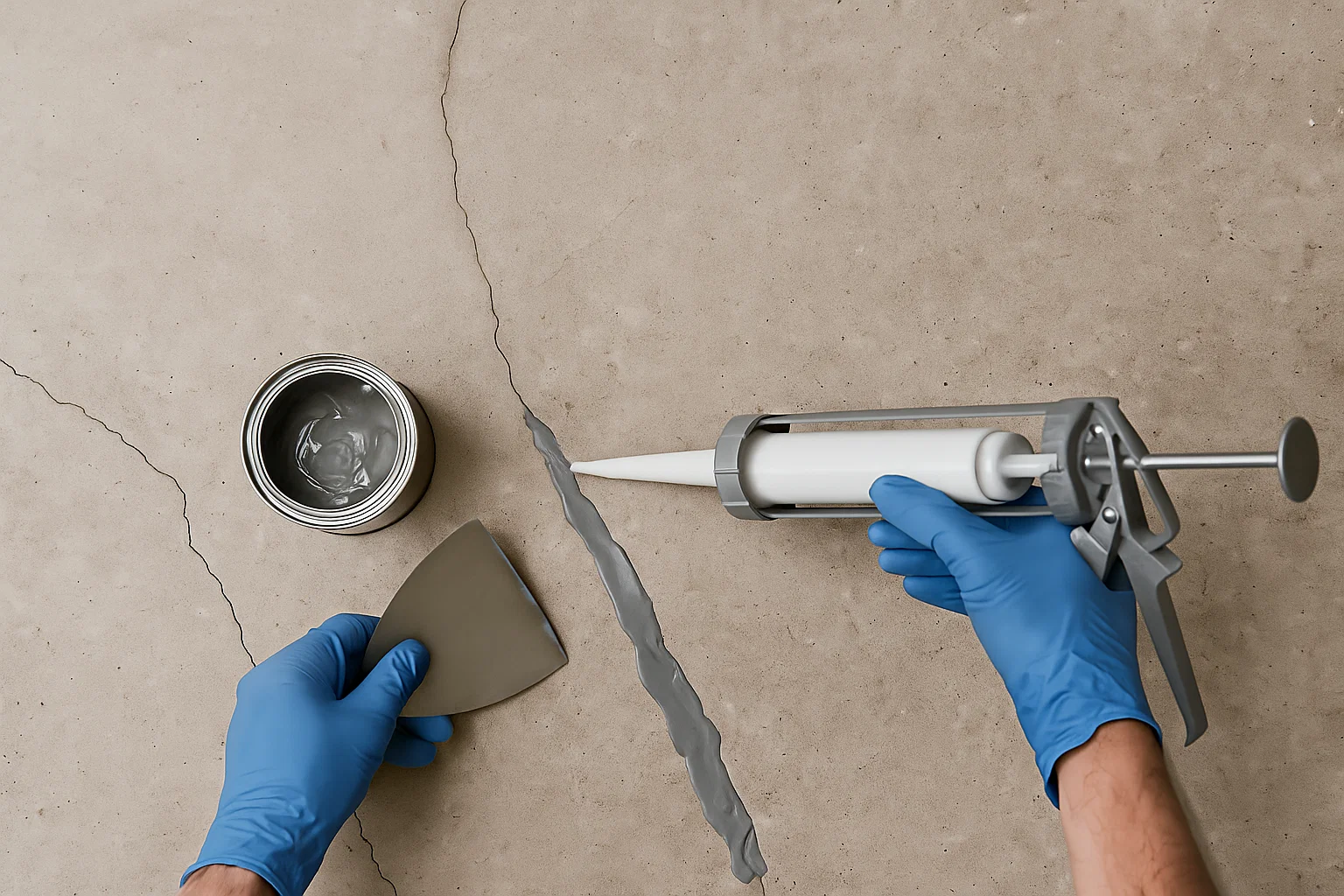
- Repair Cracks or Holes: Fill with a compatible floor patch and sand smooth.
Step 2: Primer or Base Coat
- Apply Primer: Some systems require a primer to improve adhesion. Roll it on evenly and allow full drying time.
- Inspect Surface: Ensure there are no missed spots or bubbles.
Step 3: Acoustic Coating Application
- Mix Thoroughly: Stir the product to distribute particles evenly.
- Cut In Edges: Use a brush around the perimeter.
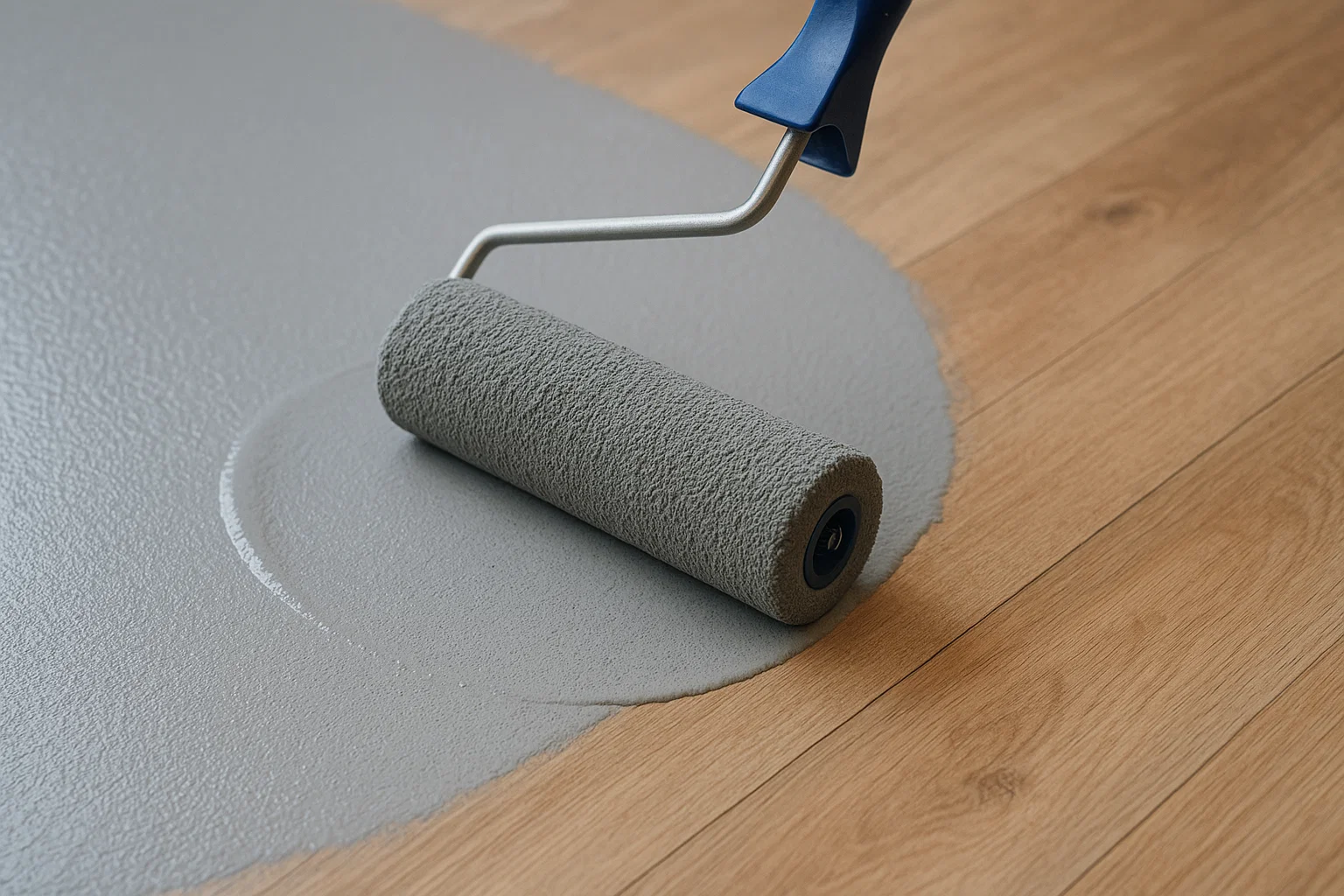
- Roll the Main Area: Spread the coating in a “W” pattern for uniform coverage. Work in manageable sections to maintain a wet edge.
- Broadcast Decorative Flakes (Optional): If your coating includes color flakes for aesthetics, sprinkle them onto the wet coating.
Step 4: Drying and Recoat
- Allow Proper Dry Time: Follow the manufacturer’s guidance—usually 4–6 hours between coats.
- Second Coat: Apply as you did the first. Two coats are typical for best performance.
Step 5: Clear Topcoat (If Required)
- Seal the Surface: Roll on a clear protective topcoat for added durability and easier cleaning.
- Final Cure: Let the floor rest for 24–72 hours before light use, and up to a week before heavy traffic or placing furniture.
Real‑World Applications and Case Studies
- Family Room Transformation: One homeowner in a busy household applied a rubber‑infused acoustic coating over oak floors. Footstep noise dropped by 60%, making the open living space peaceful even during active playtimes.
- Office Quiet Zone: A marketing agency coated their concrete lounge area with tinted polyurethane acoustic paint. Employees reported less distraction from hallway traffic and improved meeting focus.
- Gymnasium Upgrade: A local school installed cork‑blend acoustic floors in their gym. The space now feels warmer, and coaches find echoes have nearly vanished, improving instruction clarity.
Maintenance and Longevity
To keep your acoustic floor coating performing its best:
- Daily Care: Sweep or vacuum regularly to remove grit that could scratch the surface.
- Weekly Cleaning: Damp‑mop with a mild cleaner recommended by the coating manufacturer.
- Avoid Harsh Chemicals: Use pH‑neutral cleaners—strong solvents can break down the coating.
- Inspect Annually: Look for wear spots in high‑traffic zones. Touch up with leftover coating or reapply a thin layer of topcoat.
With proper care, many acoustic floor systems last 5–10 years before needing a fresh topcoat.
Conclusion: Quiet Floors, Happy Lives
Acoustic floor coatings offer a simple yet powerful way to tackle noise at the source, protect your floors, and enhance comfort throughout your home, office, or commercial space. By choosing the right product, preparing your surface well, and following the application steps, you can enjoy significantly quieter rooms and a more pleasant atmosphere.
If you’re ready to reduce noise, add underfoot comfort, and give your floors lasting protection, Paint Top Tier is here to help. Our experts can guide you in selecting the best acoustic coating for your needs and provide professional installation for flawless results.
📞 Contact us today at PaintTopTier.com to schedule your acoustic floor consultation!