Brick and masonry surfaces—like fireplaces, garden walls, and exterior facades — add character and texture to a home. But over time, bricks can look faded, chipped, or just out of sync with your décor. Painting brick gives it a fresh, updated look, but brick is porous and irregular, so it needs special care. This guide walks you through every step — from cleaning to sealing—so your painted brick or masonry stays beautiful for years.
Why Paint Brick or Masonry?
- Modernize Your Look: A coat of paint can transform red brick into a crisp white fireplace or a bold, contemporary accent wall.
- Protect the Surface: High-quality masonry paint seals pores and prevents water damage, efflorescence (white mineral deposits), and crumbling.
- Color Consistency: Painting hides mismatched bricks or mortar repairs, giving a uniform appearance.
Tools and Materials You’ll Need
- Masonry or Brick Cleaner (tri-sodium phosphate cleaner or a specialized brick detergent)
- Stiff-Bristle Brush or Power Washer
- Masonry Primer (alkali-resistant, breathable type)
- Masonry Paint (acrylic latex formulated for brick or concrete)
- Quality Brushes and Rollers (nap roller cover, ⅜”–½” for textured surfaces)
- Painter’s Tape and Drop Cloths
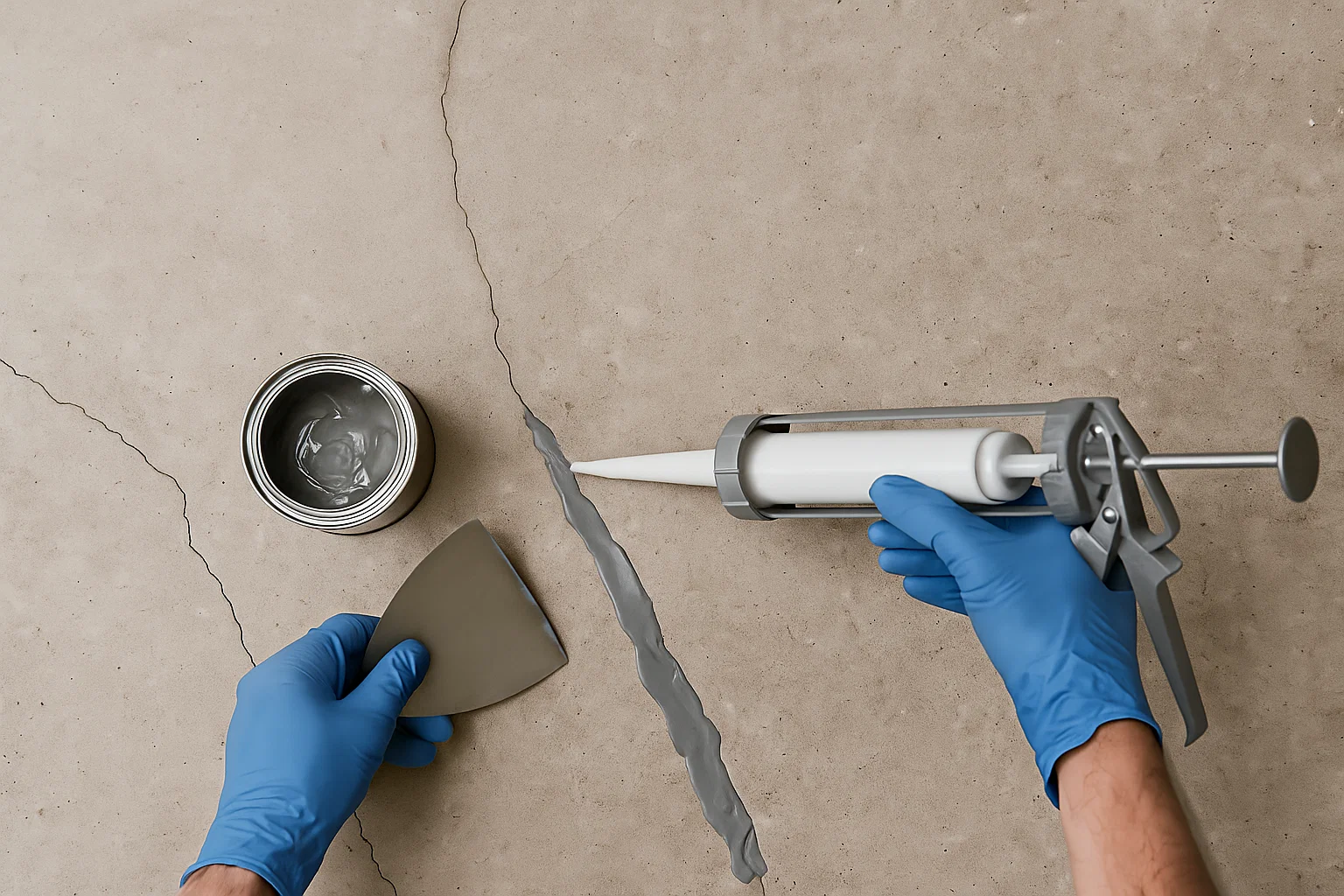
- Caulk and Caulking Gun (for cracks and gaps)
- Safety Gear (gloves, goggles, dust mask)
Step 1: Inspect and Repair
Before painting, take a close look:
- Check for Damaged Areas. Crumbling mortar or cracked bricks need repointing or patching. Use a masonry patching compound to fill holes and gaps.
- Repair Mortar Joints. If mortar is spalling (flaking away), use fresh mortar to rebuild the joint. Let it cure fully (usually 48–72 hours).
Step 2: Clean Thoroughly
Brick and masonry hold onto dirt, grease, and mildew, which can prevent paint from sticking:
- Dry Brush Scrub. Start by brushing off loose dirt and dust with a stiff-bristle brush.
- Degrease and Wash. Mix tri-sodium phosphate (TSP) cleaner per instructions and scrub the surface. Rinse thoroughly with a garden hose or power washer on a low setting.
- Remove Efflorescence. White, powdery stains are mineral deposits. Clean with a commercial efflorescence remover or a 1-to-4 vinegar-and-water solution. Rinse well.
- Allow to Dry. Brick must be bone-dry before painting—this can take 24–48 hours depending on weather.
Step 3: Prime the Surface
Primer helps block stains and seals the porous brick:
- Select the Right Primer. Use an alkali-resistant masonry primer designed to breathe, allowing moisture vapor to escape.
- Cut In Edges. Brush primer into corners, joints, and around trim.
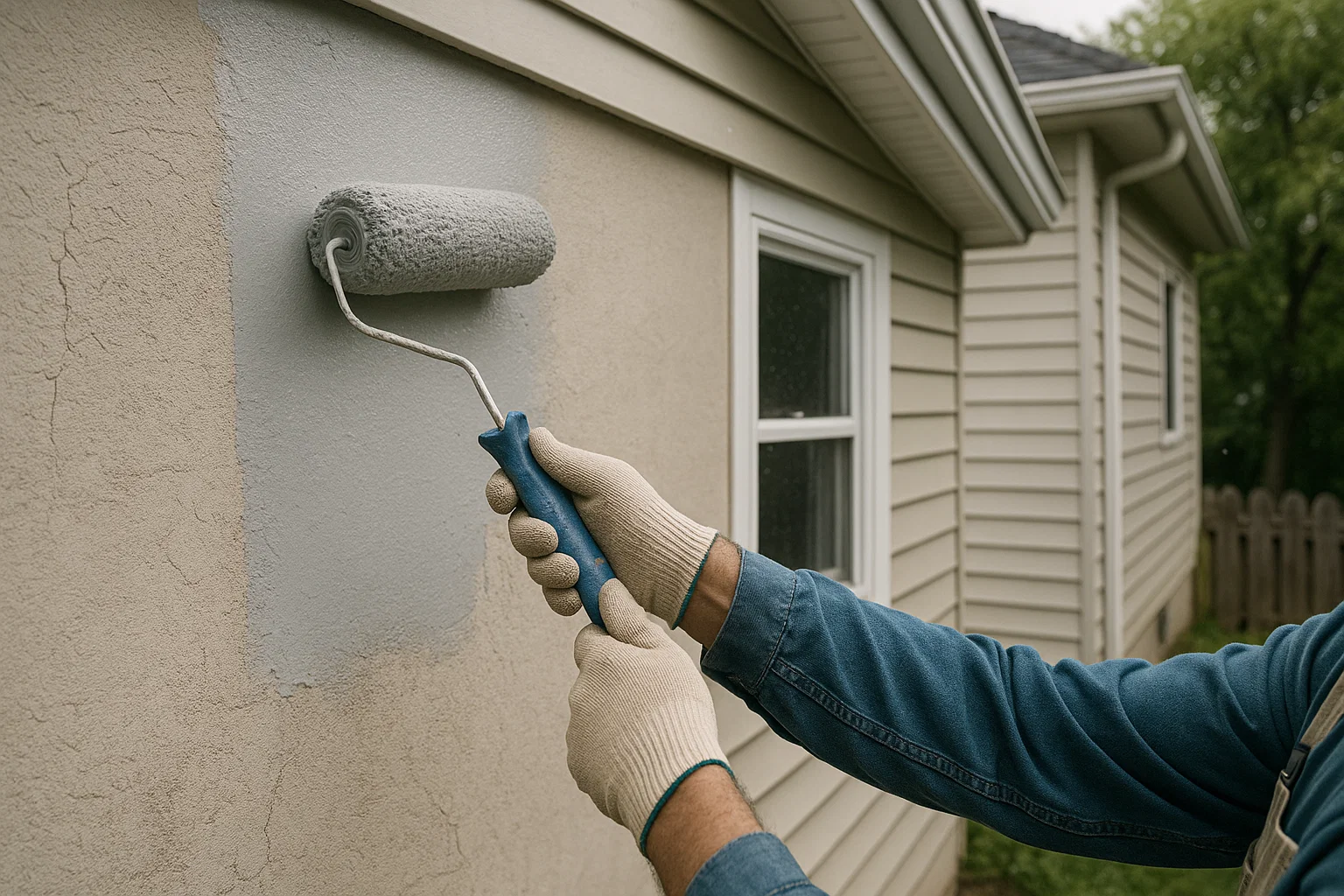
- Roll the Field. Use a thick-nap roller to cover the brick face and mortar evenly. Two coats are often recommended for full coverage.
- Dry Time. Let the primer cure according to the label (usually 4–6 hours).
Step 4: Choose and Apply Your Paint
Masonry paint is thicker and more flexible than regular wall paint. It expands and contracts with the surface, preventing cracks:
- Stir Well. Masonry paint can separate in the can—stir thoroughly before use.
- First Coat. Apply a generous coat with your roller. Work in small sections so the paint stays wet for uniform coverage.
- Brush Detail. Use a brush to push paint into mortar lines and textured areas.
- Second Coat. After the first coat dries (per instructions), apply a second coat to seal and even out color.
Step 5: Seal and Protect (Optional)
For high-traffic or exterior surfaces, a breathable masonry sealer adds extra protection:
- Select a Breathable Sealer. It should repel water but allow trapped moisture to escape.
- Apply Lightly. Roll on a thin layer of sealer, avoiding puddles that can cloud the finish.
- Cure Time. Let it dry fully before exposing to heavy use or moisture.
Maintenance Tips
- Clean Gently. Use a soft brush and mild detergent to remove dirt—avoid harsh pressure washing on fresh paint.
- Touch Up Promptly. Cracks may appear over time; inspect yearly and touch up with matching paint and caulk.
- Avoid Blocking Moisture. Never apply a non-breathable sealer—brick needs to breathe or trapped moisture will cause peeling.
Design Ideas and Color Inspiration
- Classic White: Brightens a fireplace or exterior façade for a crisp, modern look.
- Bold Accent Wall: Choose navy, forest green, or charcoal for an eye-catching indoor feature.
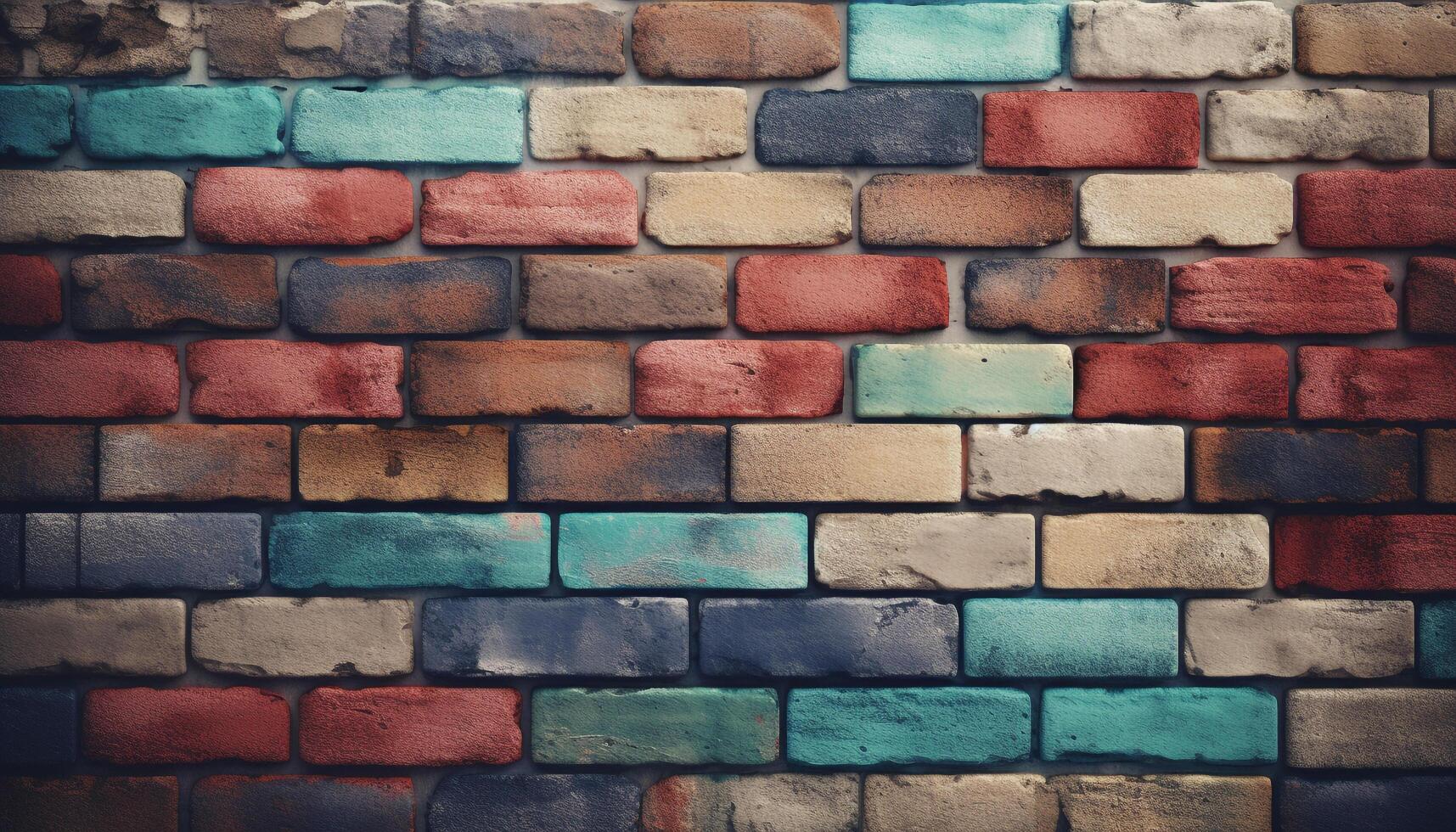
- Two-Tone Finish: Paint the mortar a lighter shade than the brick for a fresh, graphic effect.
- Pastel or Neutral Hues: Soft blues, beiges, or greys offer subtle, calming tones for patios and garden walls.
Common Challenges and Solutions
- Uneven Coverage: Brick and mortar absorb paint differently. Two coats fix this—never skimp on the second coat.
- Mold or Mildew Return: Ensure proper cleaning and drying before painting. In damp climates, choose a paint with mold-inhibiting additives.
- Peeling at Edges: Use painter’s tape carefully and remove it while the paint is still tacky to avoid lifting edges.
Final Thoughts
Painting brick and masonry brings new life to surfaces that often go unnoticed. With the right prep, primer, paint, and care, you can achieve a smooth, lasting finish that protects and beautifies your home. Whether you’re updating a fireplace, freshening up an exterior wall, or adding color to a garden feature, these steps will guide you to professional results.
When you’re ready to transform your brick or masonry surfaces, gather your tools, follow this guide, and take your time. The end result will be a lasting, beautiful finish that stands up to the elements and makes your space feel refreshed.
For expert advice or hands-on help, reach out to Paint Top Tier—we specialize in durable, attractive coatings for every surface. Visit PaintTopTier.com or call us today for a free consultation!