When your floors start to look worn out, scratched, or just plain outdated, your first thought might be, “Do I need to replace them?” But here’s some good news—you might not have to. Instead of tearing up your floor and spending a fortune on new materials, you can give them a completely fresh look by simply painting over them. Yes, painting floors is real, and it’s one of the easiest, most budget-friendly ways to refresh any room in your home.
Whether it’s old hardwood, concrete, tile, or even laminate, painting over your floor can make a huge difference without breaking the bank. The key is doing it right. Let’s walk through everything you need to know—from how it works to why it’s worth considering.
Why Paint Your Floors Instead of Replacing Them?
Replacing flooring is expensive, messy, and time-consuming. You have to move all the furniture, rip out the old material, and deal with dust and noise. Then you wait for the new floor to be installed, which could take days or even weeks. Painting, on the other hand, is faster, cleaner, and a lot more affordable.
Here are some solid reasons people choose to paint their floors:
- It’s budget-friendly – A couple of paint cans can cost less than 10% of a full floor replacement.
- You can get creative – Add colors, patterns, or even fake tile or rug designs.
- It hides flaws – Scratches, stains, and dullness can disappear with a few coats of paint.
- It’s DIY-friendly – You don’t need heavy tools or a team of workers to get the job done.
What Kinds of Floors Can Be Painted?
You might be surprised at how many types of flooring can be painted. Here are a few that work well:
1. Wood Floors
Yes, even hardwood floors can be painted—especially if they’re too scratched or stained to look good with just a stain or refinish. Painting over wood gives it a smooth, clean look and can even cover old damage.
2. Concrete Floors
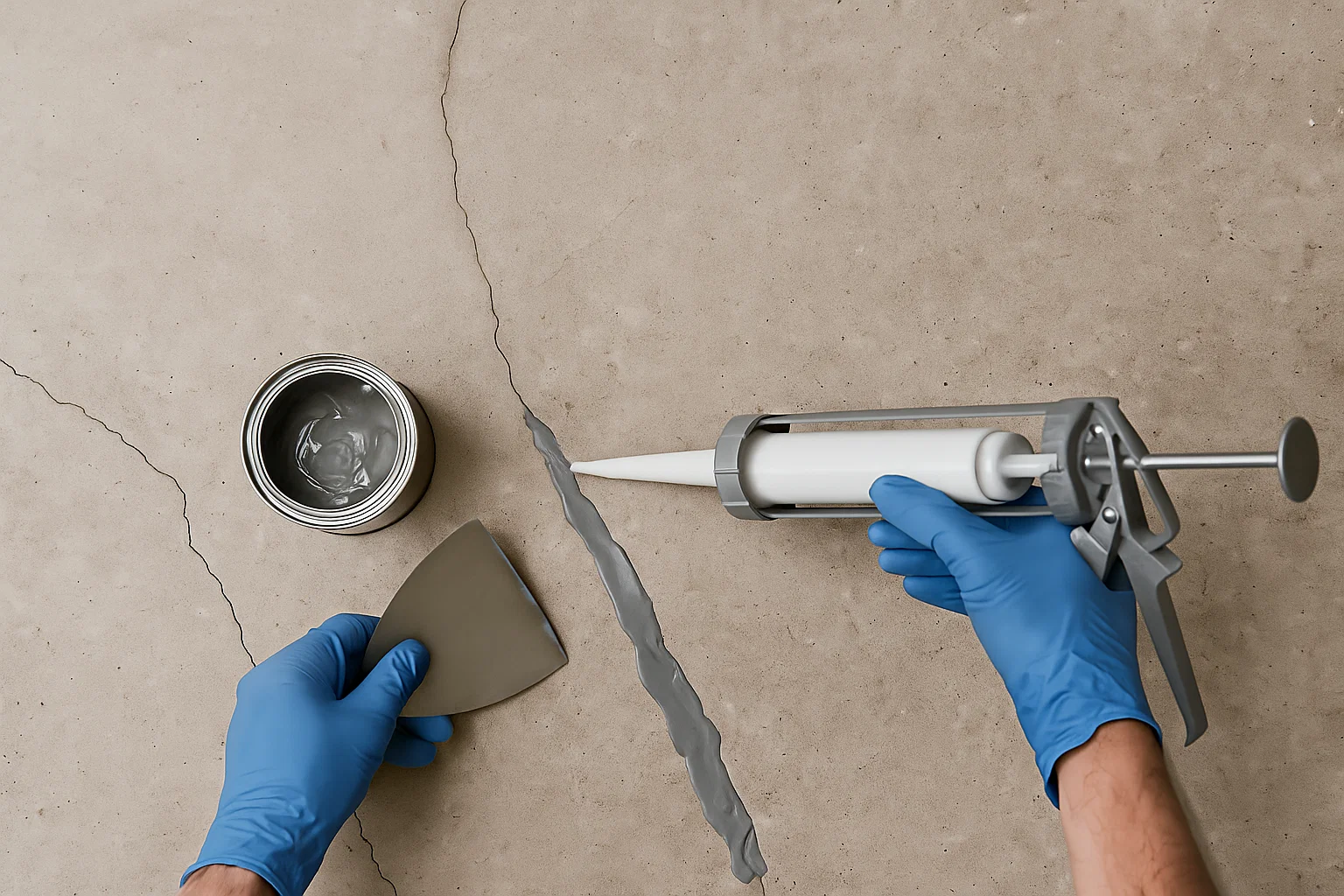
Garage floors, basements, and patios are perfect for painting. Concrete is naturally dull and cold, but paint can turn it into something stylish and modern.
3. Tile Floors
As long as the tile and grout are in decent shape, painting over ceramic or porcelain tile can totally change the look of a bathroom or kitchen.
4. Laminate or Vinyl Floors
These are trickier and require a special primer and paint that sticks to slick surfaces, but it’s still possible with the right materials.
How to Properly Paint a Floor (The Right Way)
Painting floors isn’t hard, but it’s not something to rush through. A rushed job can peel or chip in a few weeks. A well-done floor can last for years.
Here’s a general process anyone can follow:
Step 1: Clean the Surface
Start by thoroughly cleaning the floor. Get rid of dirt, grease, or wax. For wood and tile, use a degreasing cleaner. For concrete, you may need to scrub with water and a stiff brush. Let it dry completely.
Step 2: Sand (if needed)
Sanding helps paint stick better, especially on wood or laminate. A light sanding is enough—just to rough up the surface. Vacuum up all dust afterward.
Step 3: Apply Primer
This is very important. Use a primer designed for your specific floor type. It creates a strong bond between the floor and the paint. Let it dry fully before moving on.
Step 4: Paint
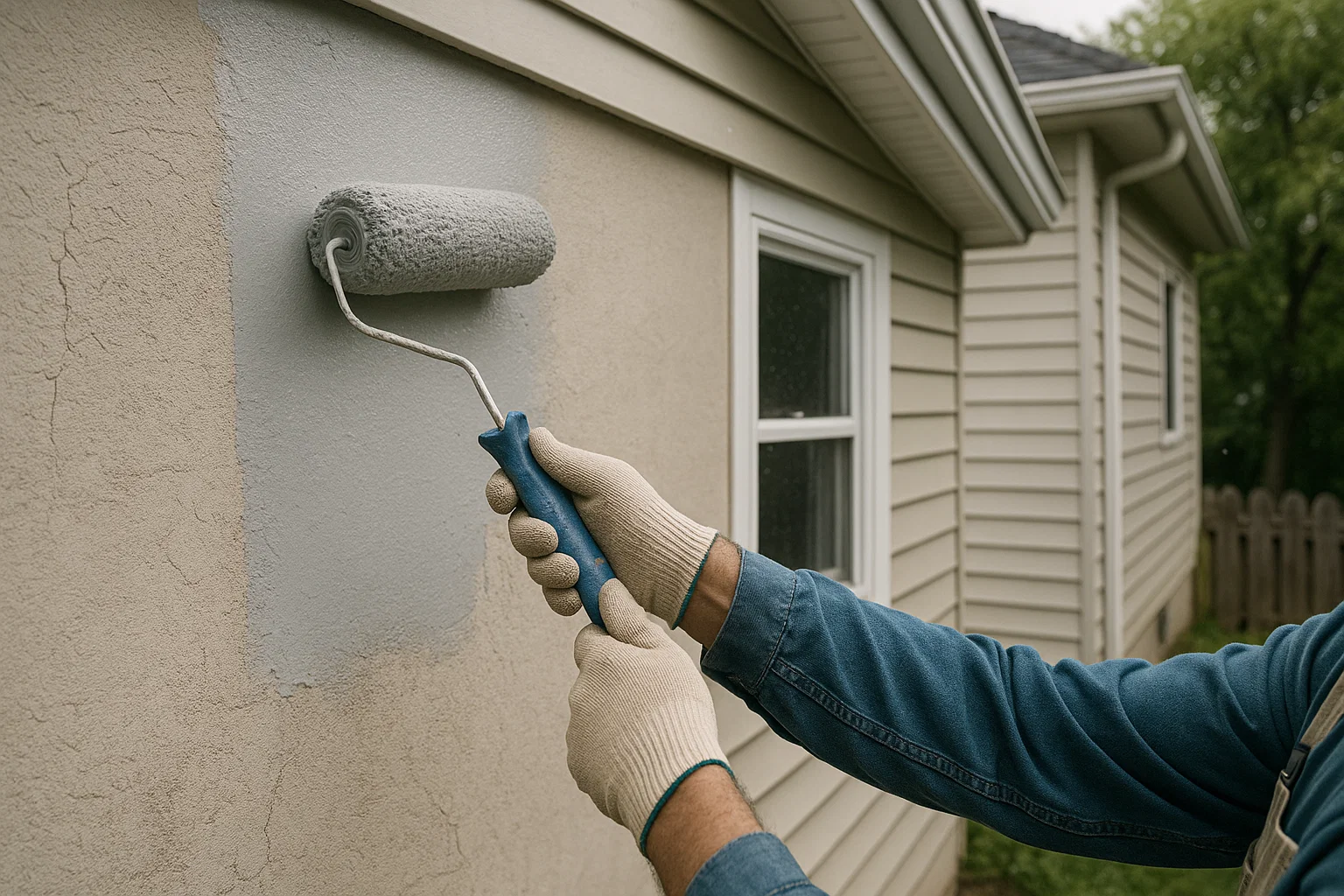
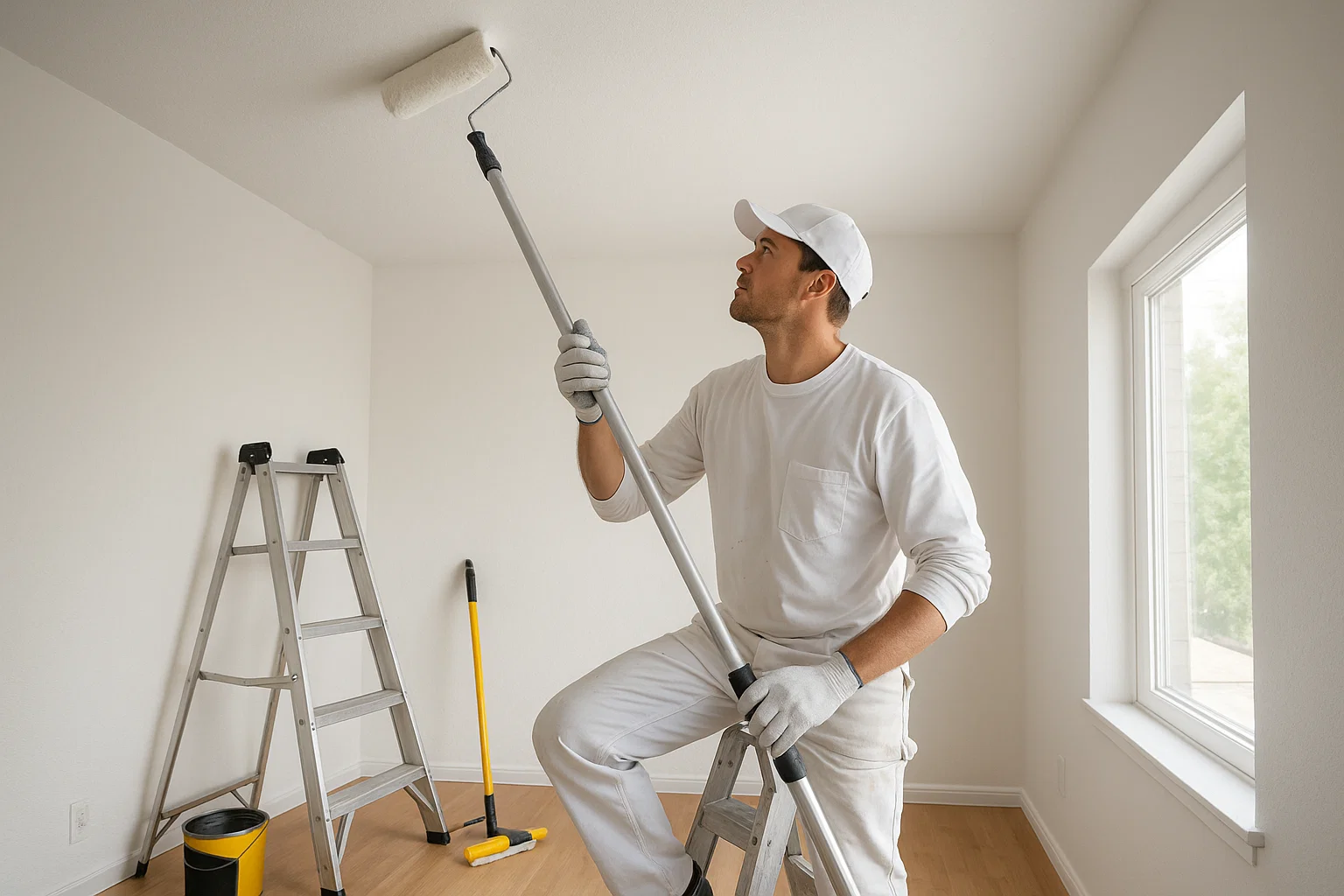
Use a durable floor paint (often called porch & floor paint) or epoxy-based paint for concrete. Apply it with a roller for even coverage, and use a brush for corners and edges. You’ll likely need two coats.
Step 5: Let It Cure
Let the paint dry for 24 to 48 hours before walking on it. Some paints take up to 7 days to fully cure, so check the label before replacing heavy furniture.
Optional: Add a Sealant
A clear sealant can protect your paint from scratches, water, and foot traffic. This is especially important in kitchens, bathrooms, or high-traffic areas.
Creative Floor Painting Ideas
One of the best things about painting floors is that you’re not stuck with just one solid color. Here are a few fun ideas:
- Checkerboard Pattern – Great for kitchens or entryways.
- Stencil Designs – Create the look of tile without the cost.
- Border Frames – Paint a border around the edges of a room to add depth.
- Ombre Shades – Blend two or three colors for a gradient effect.
You can also use masking tape to create geometric designs, stripes, or faux rugs. The only limit is your imagination.
Does Floor Paint Really Last?
Yes, if you prep the surface well and use the right materials. Painted floors can hold up for years—even in busy areas—if you seal them properly and take care of them. Just like any floor, you should avoid dragging furniture or letting water sit too long on the surface.
If needed, you can always touch up worn spots with leftover paint. And unlike replacing a floor, you don’t have to rip anything out or hire a crew to do it.
Mistakes to Avoid When Painting Floors
Like any DIY project, painting your floors has a few common traps. Avoid these mistakes to get the best result:
- Skipping the primer – Your paint won’t stick properly and will peel fast.
- Using wall paint – Always use paint meant for floors or concrete.
- Not sanding – Slick surfaces like laminate or tile need light sanding to hold paint.
- Painting over dirt or wax – Even a little bit of grease can ruin adhesion.
- Skipping sealant – Without protection, the paint may wear down quickly.
How Long Does It Take?
Painting your floor doesn’t take as long as a full renovation, but it’s not instant either. Expect the whole process—from cleaning to final drying—to take about 3–5 days, depending on the room size and drying time between coats. That’s still way faster than a full replacement, and you’ll save hundreds (if not thousands) of dollars.
Final Thoughts: A Fresh Look Without the Heavy Cost
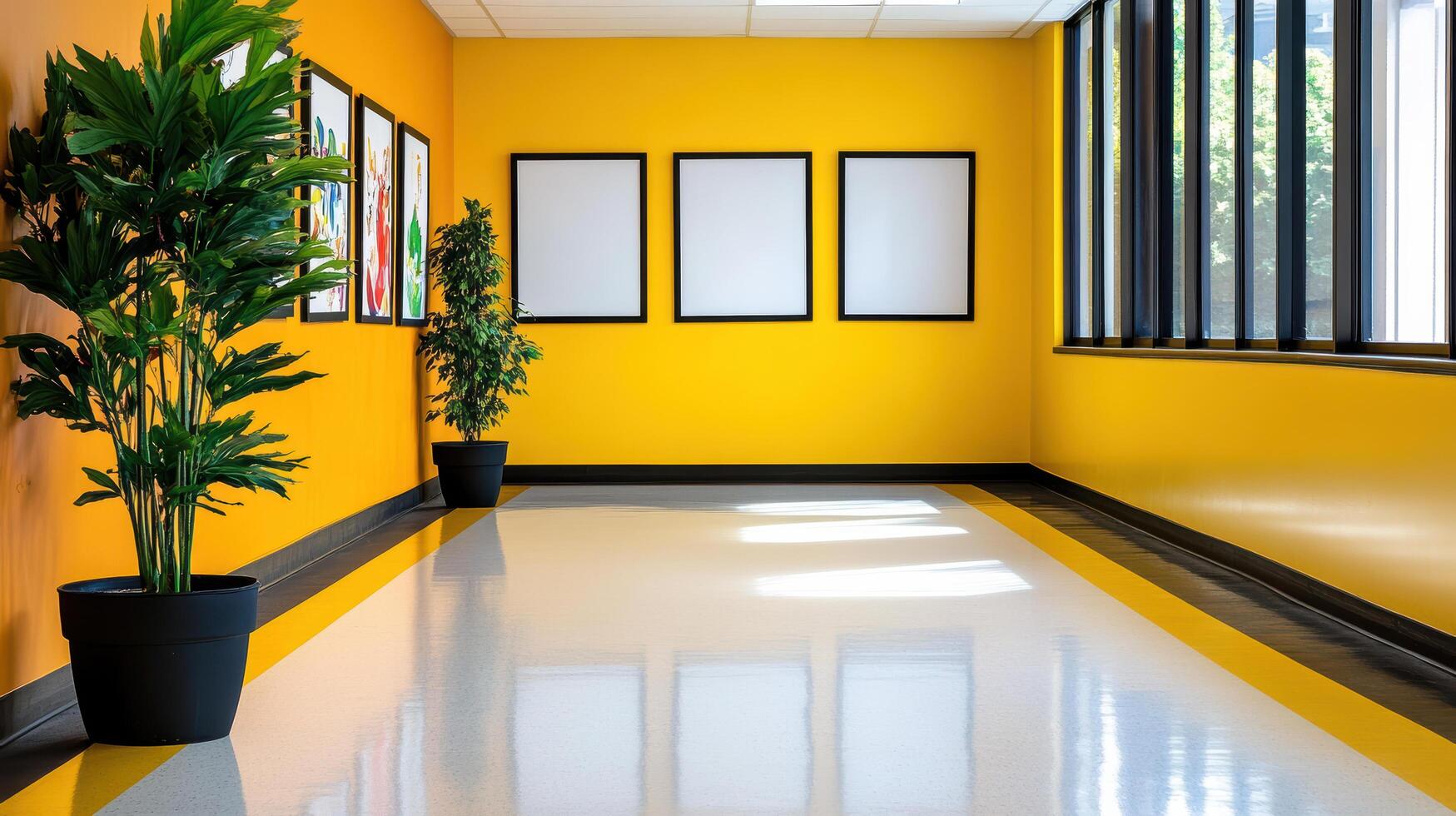
Painting your old floors is a smart and simple way to update your home without going over budget. Whether you want to brighten up a dark basement, modernize a kitchen, or make your garage feel cleaner, floor paint gives you flexibility and style without the stress of big renovations.
So if your floors are looking tired but you’re not ready to replace them, try painting them instead. With the right prep and paint, you can give your space a whole new vibe—one that looks fresh, clean, and totally yours.