Have you ever been inside a house and thought, “Wow, this room feels huge,” or “Why does this space feel so tight?” Most of the time, it’s not because someone moved the walls. The real secret is color! The colors on the walls and floors quietly play with your brain and your eyes. Without you even realizing it, color can make a space feel much bigger or much smaller. This is why choosing the right paint color for your walls and floors matters so much when designing a room.
Light Colors Open Up Your Space
One of the easiest ways to make a room feel bigger is by using light colors. Think of shades like white, soft gray, pale blue, or light beige. These colors help reflect light, which makes the space feel open and airy. This trick works especially well in smaller rooms or basements where there might not be much natural sunlight. When you use lighter colors on both the walls and the floors, it feels like the room stretches out wider and even taller.
For example, imagine walking into a small room with light gray walls and a white floor. Right away, the room feels bright and more spacious because your eyes think there’s more space than there really is. That’s the power of light colors—they bounce light around and “push” the walls outward.
Dark Colors Make a Room Feel Cozy and Close
Now, dark colors do something totally different. If you use deep colors like navy blue, dark green, charcoal, or dark brown, the room starts to feel smaller. But that doesn’t mean dark colors are bad! They are actually perfect for creating a cozy, warm, and private feel. You might want that feeling in places like a movie room, a reading nook, or a bedroom where you want to relax.
For example, a large living room with dark wooden floors and dark green walls might feel snug and welcoming—like a cabin. The walls and floors seem to “pull in” a little, making the space feel more comforting.
How Floors and Walls Work Together to Change Space
The coolest part is how your floors and walls “talk” to each other. They team up to change how your space feels.
- If you have light walls and dark floors, your room will feel balanced. The floor will feel solid and grounded, while the walls still feel open.
- If you have both light floors and light walls, your room will feel even bigger and brighter. This combo is great for making small rooms look huge!
- If you have dark floors and dark walls, your space will feel bold and dramatic. It will feel like everything is cozy and coming together.
So, you don’t always have to match your floors and walls. The way you mix light and dark colors creates different feelings in the room.
Patterns and Stripes Can Trick the Eyes Too
It’s not just the color that changes how a room feels—patterns matter too.
- Horizontal stripes on walls can make a room feel wider.
- Vertical stripes make the walls seem taller.
- On the floor, patterns like wide planks or diagonal designs can also guide your eyes, making a room feel longer or bigger.
Even something as simple as painting a horizontal line around the room can stretch the walls visually. Flooring laid diagonally can also create the feeling of extra space in a small room.
Color Psychology: How Colors Affect Your Mood
Colors don’t just change how big or small a room feels—they also affect how you feel inside the space.
- Blues and greens can make you feel calm and relaxed.
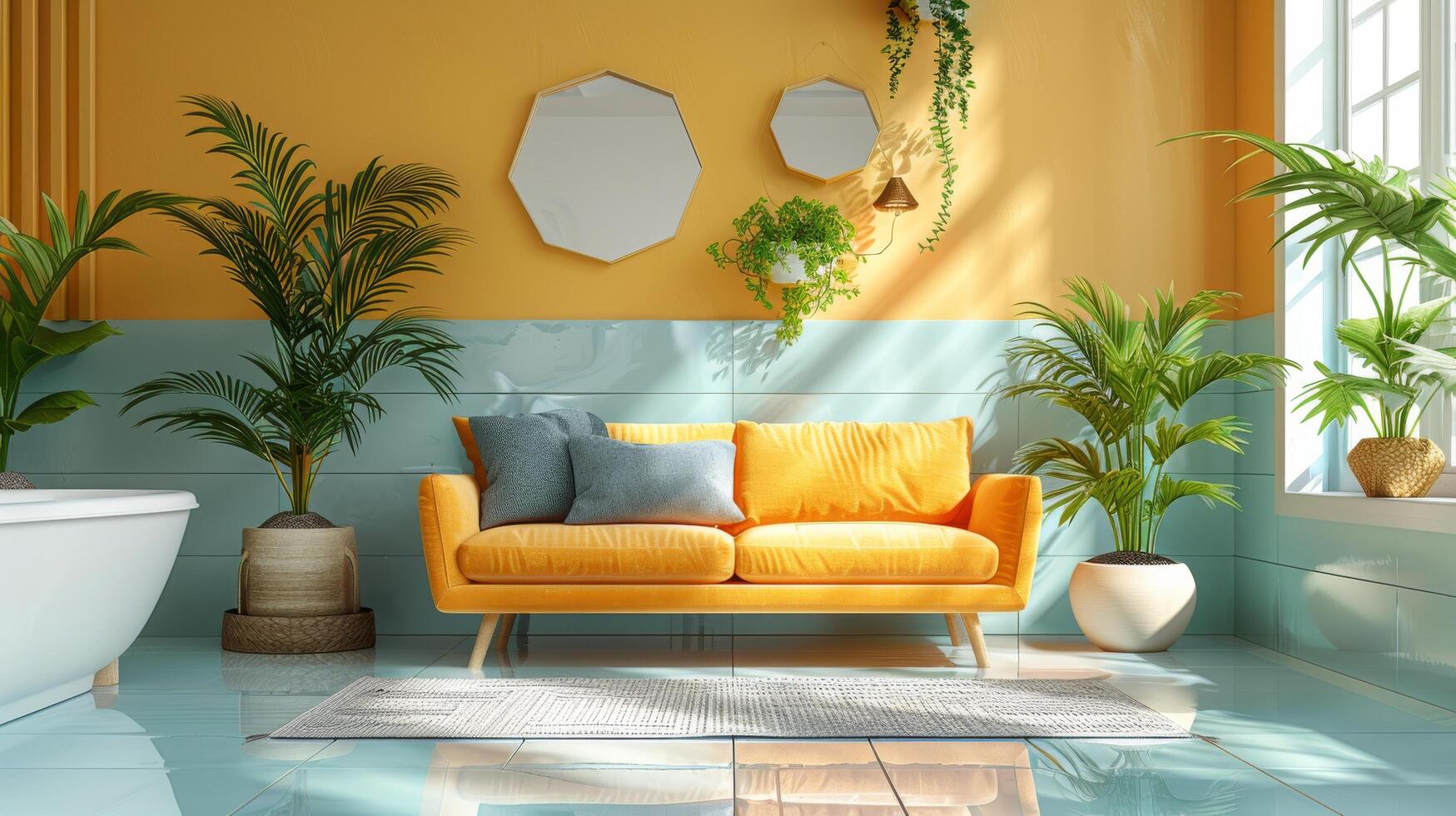
- Yellows and oranges bring energy and make you feel cheerful.
- Grays and neutrals often feel modern and clean, but too much gray can feel cold if not balanced with warm furniture or lighting.
The colors you choose for your walls and floors work together to make you feel a certain way when you walk into the room—even if you can’t explain it right away.
Final Thoughts: Small Details Make a Big Difference
The next time you paint your walls or coat your floors, don’t just think about what looks “nice.” Think about how you want the room to feel. Do you want it to feel bigger and brighter? Or cozy and comforting? Do you want it to energize people or help them relax?
With just a few color changes, you can completely transform how people experience your space — without knocking down a single wall. That’s the power of painting the invisible!