
Painting over a dark-colored wall can be a challenging task. If not done correctly, the original color can show through, causing uneven coverage, streaks, or unwanted patches. Many homeowners rush into the process without proper preparation, resulting in multiple coats of paint, unnecessary expenses, and frustration. The good news is that with the right techniques, you can achieve a smooth, flawless finish without wasting time or materials. Follow these steps to successfully paint over dark walls with professional-quality results.
Step 1: Clean and Prep the Surface
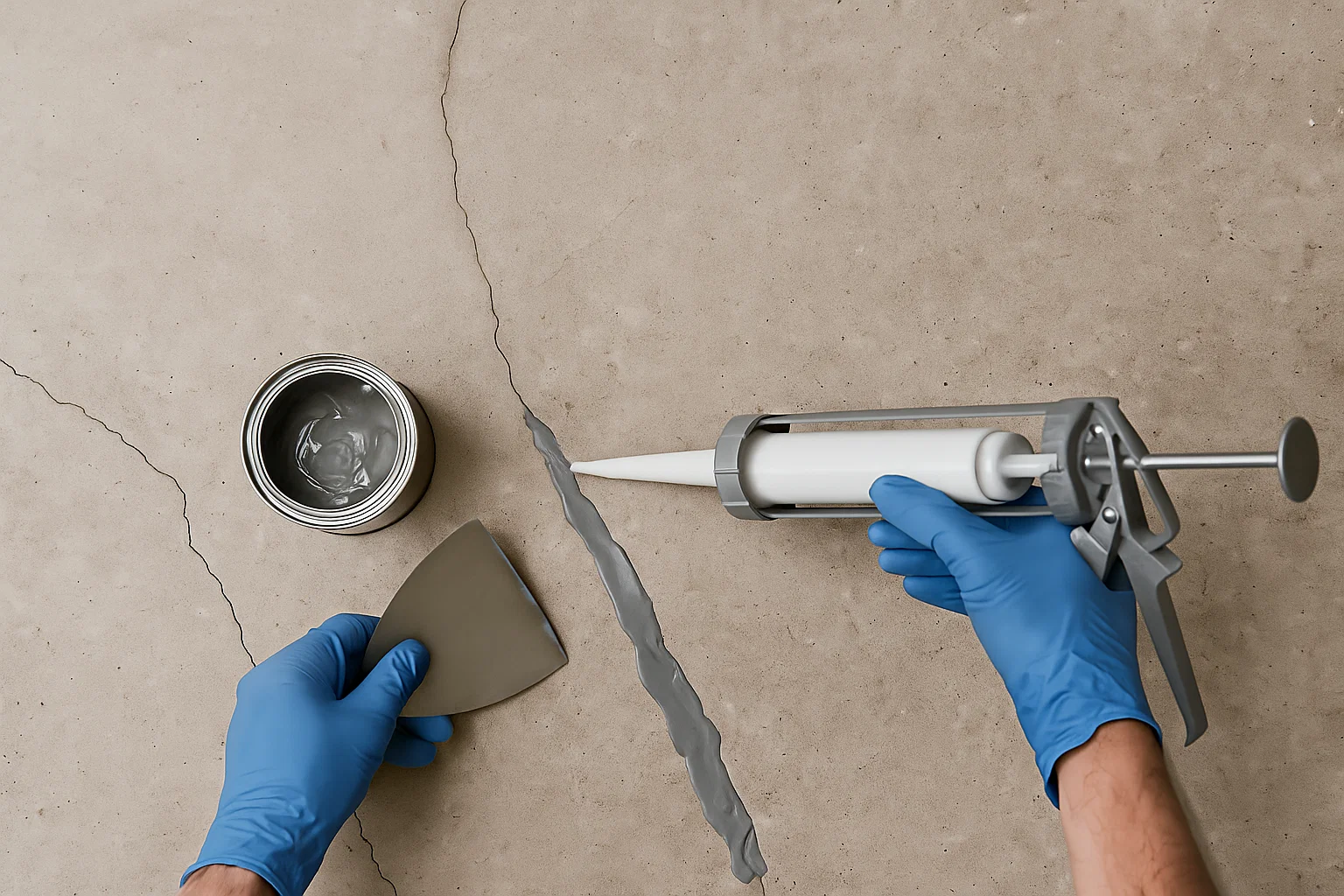
Before applying any paint, it’s crucial to prepare the surface properly. Dust, grease, and other residues can prevent the new paint from adhering properly. Start by wiping down the walls with a damp cloth or a mild cleaning solution. If there are any holes or imperfections, fill them with spackling compound and sand the area smooth. A clean and smooth surface ensures even paint application and a polished final look.
Step 2: Choose the Right Primer
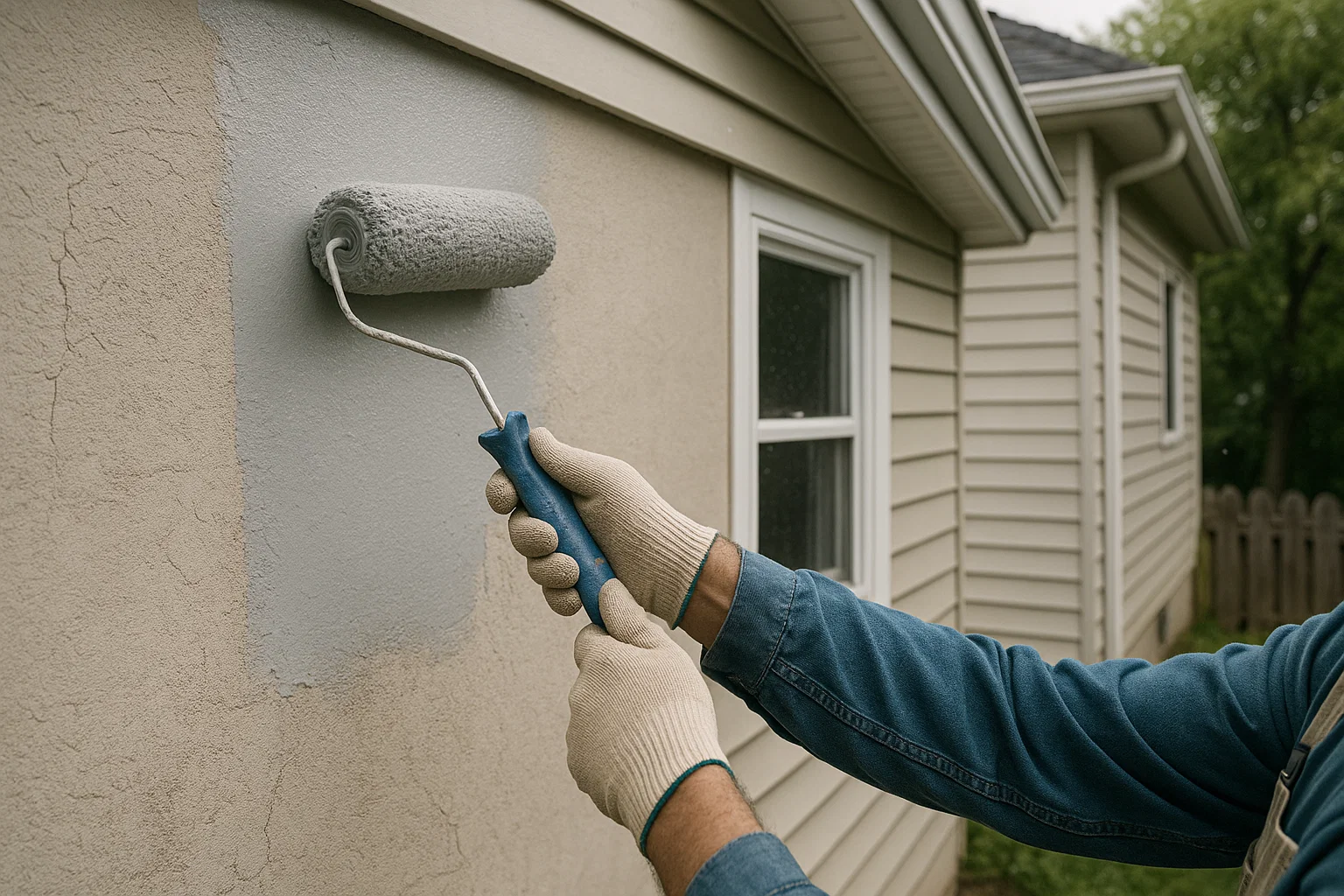
One of the most important steps in covering a dark color is applying a high-quality primer. A good primer acts as a barrier, preventing the dark color from bleeding through while also allowing the new paint to adhere better. Use a high-hide, stain-blocking primer, preferably in gray or tinted to match your final paint color. Tinted primers require fewer topcoats, saving you time and effort. Apply one or two coats of primer using a roller with a thick nap for even coverage and allow it to dry completely before moving on to paint.
Step 3: Use High-Quality Paint and Tools
When painting over dark colors, the type of paint you choose makes a significant difference. Opt for a high-quality, full-coverage paint with a built-in primer to further improve coverage. Matte and eggshell finishes work well for most walls, but for high-traffic areas, a satin or semi-gloss finish may be more durable. Use a high-quality roller with a 3/8-inch nap to ensure smooth application without streaks.
Step 4: Apply Paint in Thin, Even Coats
A common mistake when painting over dark walls is applying thick coats to speed up the process. Instead, apply multiple thin coats to achieve an even and professional finish. Start with a W-pattern while rolling to distribute the paint evenly. Allow each coat to dry completely before applying the next. Rushing this step can lead to streaks and uneven patches.
Step 5: Don’t Skip the Edges
Before using the roller, cut in along the edges with a high-quality angled brush. Painting the borders first ensures a clean finish and prevents visible lines where the roller can’t reach. Blend the brush strokes into the roller-applied paint while both are still wet for a seamless look.
Step 6: Inspect and Touch Up
Once the final coat has dried, inspect your walls under different lighting conditions to check for any streaks or uneven patches. If needed, apply an additional thin coat to even out the finish. Be patient—achieving perfect coverage takes time, but the results are worth it.
Final Thoughts
Painting over dark colors requires proper preparation, patience, and the right materials. By using a high-hide primer, quality paint, and careful application techniques, you can achieve a smooth, streak-free finish without excess effort or frustration. If you’re looking for professional results without the hassle, consider hiring Top Tier Painting for expert service and flawless execution. Contact us today to transform your space with ease!