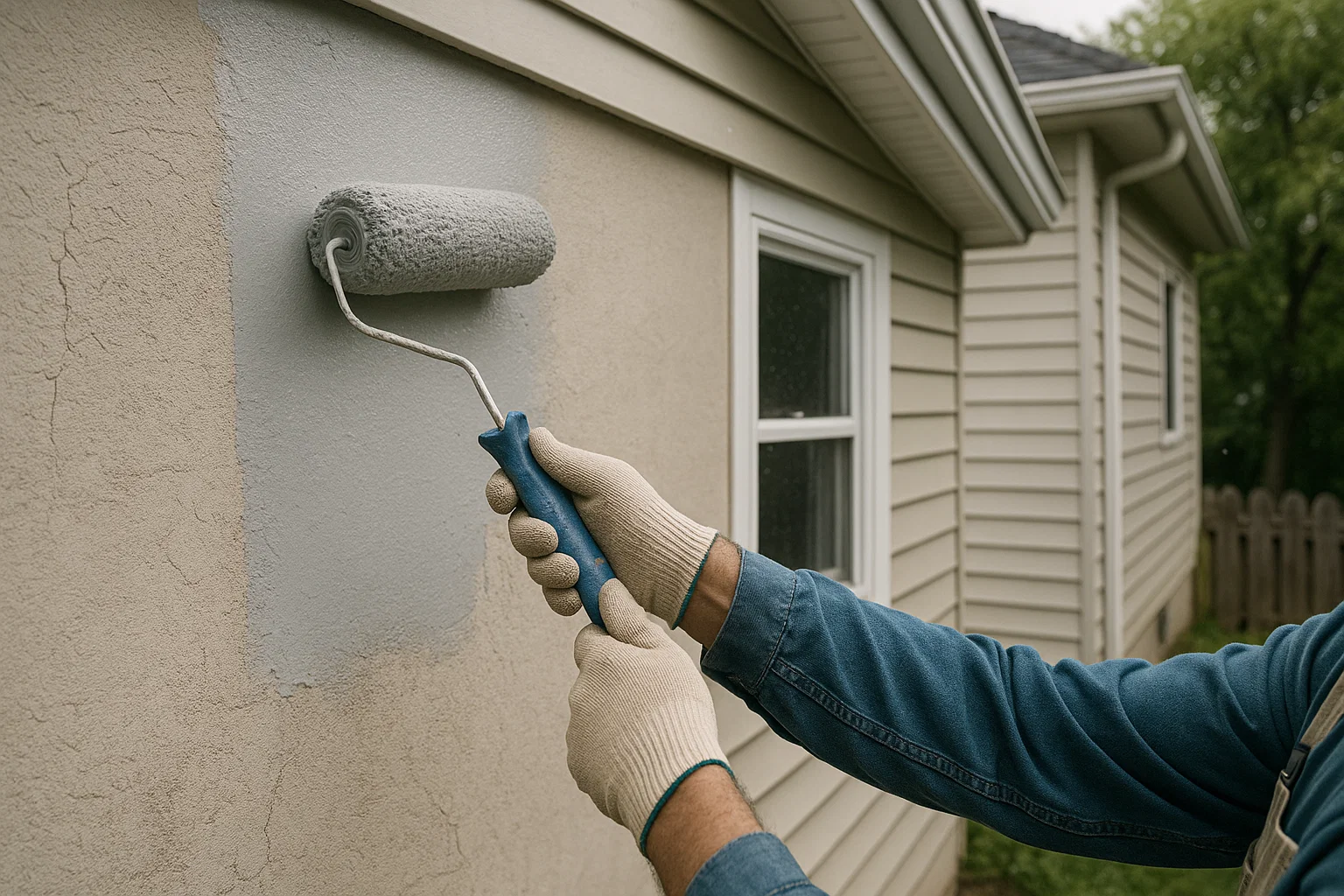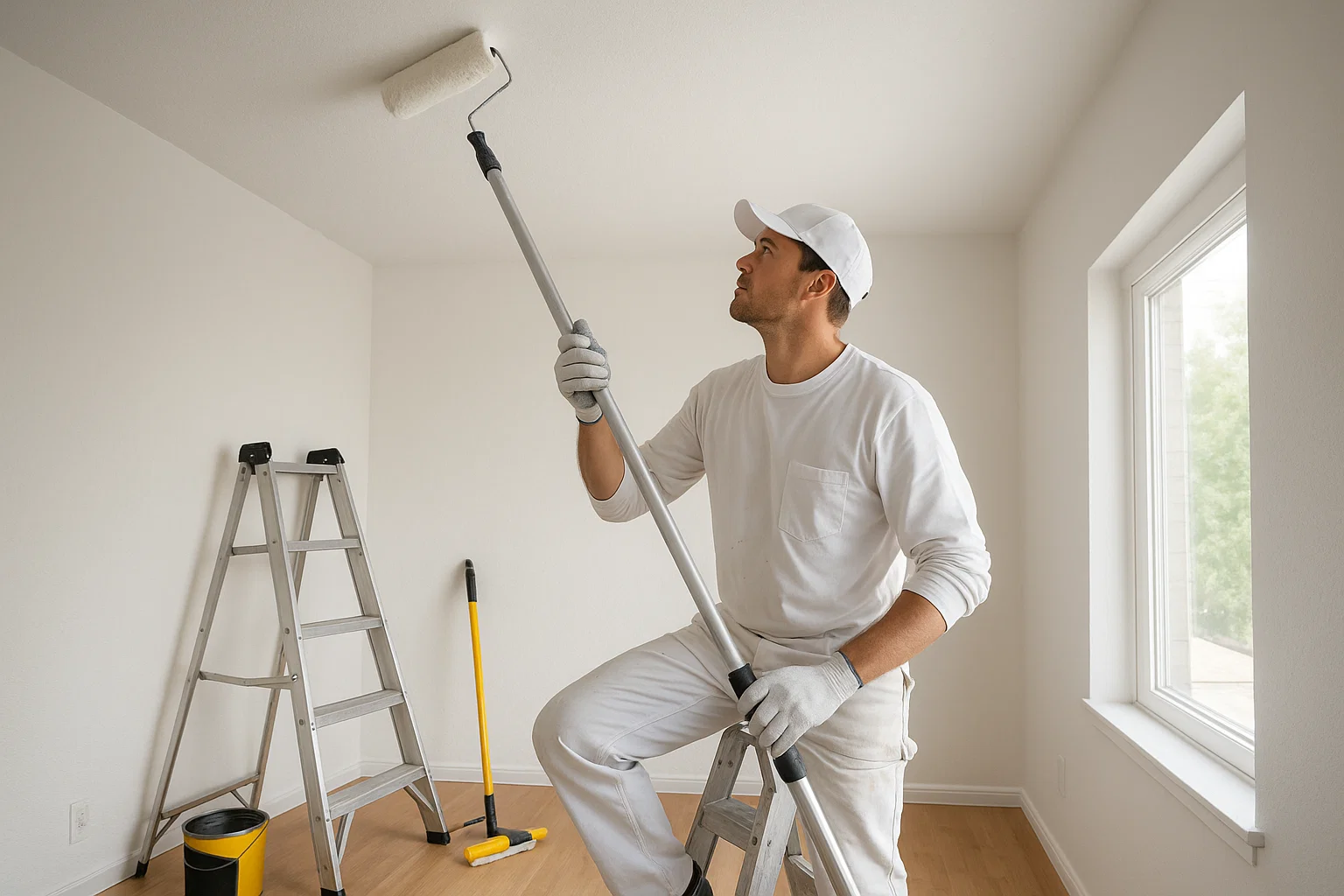
Are you wondering whether it’s time to repaint your walls? On average, interior walls should be repainted every three to seven years. However, the frequency may vary depending on several factors, including the type of room, the condition of the walls, and the level of daily use and activity. Regularly repainting not only keeps your home looking fresh but also protects your walls from wear and tear.
Here’s a comprehensive guide to help you determine how long your wall paint will last, how often specific rooms need to be repainted, and answers to common questions about wall painting.
Factors That Affect How Long Your Paint Will Last
Before deciding whether it’s time for a new coat of paint, consider these key factors:
1. Paint Quality and Preparation
The longevity of your paint job is directly linked to the quality of paint used and the level of preparation before application. Proper preparation includes:
- Cleaning and sanding the surface.
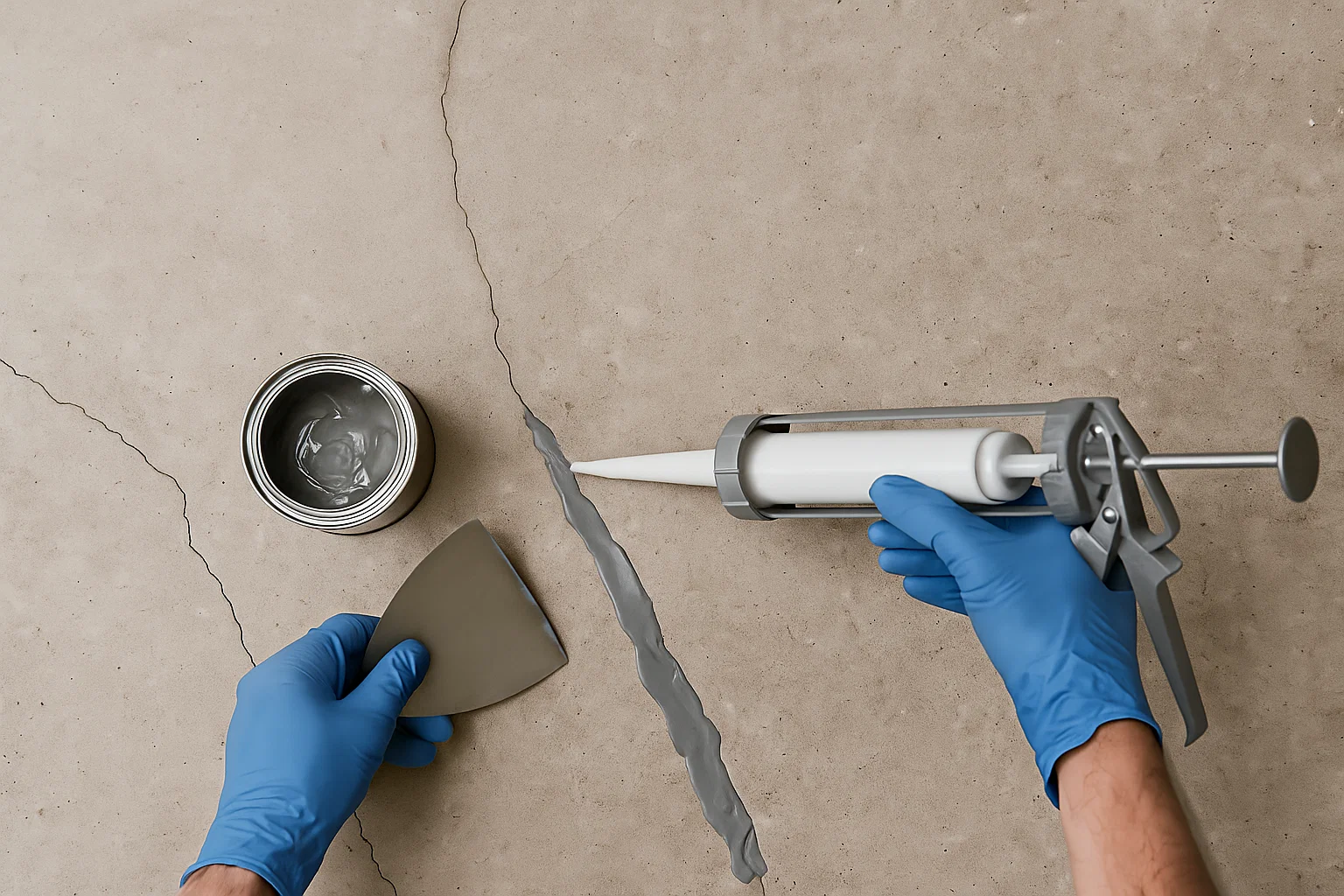
- Filling cracks and holes.
- Applying a high-quality primer.
Skipping these steps or using low-quality paint can result in chipping, peeling, or uneven finishes within a few years. For a long-lasting and professional finish, always invest in premium paint and ensure proper prep work is done.
2. Room Condition
The condition of your walls plays a significant role in determining how soon they’ll need repainting. Ask yourself:
- Are the walls scratched, scuffed, or peeling?
- When was the last time the room was painted?
- Are there stains, discoloration, or signs of moisture damage?
If the walls show significant wear, they may require more thorough preparation, such as scraping off old paint or applying additional primer, before repainting.
3. High-Traffic Areas
Rooms and areas with frequent use or activity are more prone to wear and tear. For example:
- Hallways and staircases often experience bumps, scuffs, and dirt.
- Kids’ rooms may have drawings, scratches, or stains.
- Living rooms and entryways can collect dust, smudges, and general grime.
These areas will likely need repainting more frequently than low-traffic spaces, such as guest bedrooms.
How Often Should You Paint Specific Rooms?
Each room in your home has unique needs based on its use and environmental conditions. Here’s a breakdown of how often you should repaint different spaces:
Bedrooms
- Adult Bedrooms: Typically, these rooms require repainting every 5–7 years, as they experience less wear and tear.
- Kids’ Bedrooms: Children’s rooms often need repainting every 3–5 years due to stains, scribbles, and higher activity levels.
Living Rooms and Dining Rooms
Living rooms and dining rooms are less prone to heavy wear and can often go 5–7 years before needing a fresh coat. However, this depends on how often the room is used and whether furniture or decor changes require a new color scheme.
Hallways and Stairways
Hallways and stairways are among the busiest areas in a home, often showing dirt, scuff marks, and other signs of wear. To maintain their appearance, consider repainting these areas every 2–3 years.
Kitchens and Bathrooms
Kitchens and bathrooms endure unique challenges, such as heat, moisture, grease, and steam. These factors can cause paint to deteriorate more quickly. Repaint these areas every 3–4 years, and consider using paints designed for high-moisture areas or adding a waterproof topcoat for added durability.
FAQs About Painting Walls
1. Can You Paint a Wall Too Many Times?
There’s no set limit to how many times you can repaint a wall. However, if there are multiple layers of paint, it’s a good idea to sand the surface to ensure proper adhesion and a smooth finish before applying a new coat.
2. Can You Paint Over a Painted Wall?
Yes, you can paint over a previously painted wall, provided that the old paint is in good condition and the new paint is compatible (e.g., oil-based paint over oil-based or water-based over water-based). If the wall has imperfections, such as cracks or peeling, these should be addressed before repainting. Applying a primer is especially important when transitioning between drastically different colors.
3. Do You Need to Remove Old Paint Before Repainting?
Not necessarily. If the current paint is intact and in good condition, you can paint directly over it after cleaning and lightly sanding the surface. However, if the old paint is peeling, bubbling, or uneven, you’ll need to remove it first to ensure a smooth and durable finish.
Tips for Prolonging the Life of Your Paint
- Clean your walls regularly to remove dirt and grime.
- Use durable, washable paints in high-traffic areas.
- Repair dents, cracks, and scratches as soon as they appear.
- Avoid exposing walls to excessive moisture or sunlight.
Repainting your walls is an excellent way to refresh your home’s look and feel. By considering the unique conditions of each room and following proper painting practices, you can ensure a long-lasting and beautiful finish.