Concrete floor coatings are an excellent investment for enhancing both the durability and appearance of a variety of spaces—from commercial warehouses and residential garages to high-end retail stores. These coatings are built to handle extreme conditions and heavy traffic, but like any asset, they need regular maintenance to stay in top condition. Proper care not only extends the lifespan of your floor coating but also helps maintain its aesthetic appeal, safety, and performance. In this guide, we’ll explore why maintenance matters and share practical tips to help you get the most out of your concrete floor coating investment.
Why Concrete Floor Coating Maintenance is Crucial
Concrete floor coatings, particularly high-performance options like epoxy, polyurea, and polyaspartic resins, are incredibly durable and resistant to chemicals, abrasions, and moisture. However, even these robust materials require upkeep to deliver long-lasting performance. Here’s why regular maintenance is essential:
- Extend Lifespan: Routine care helps preserve the integrity of your coating, reducing the need for costly repairs or reapplications.
- Enhance Safety: Over time, wear and tear can lead to slippery or uneven floors. Keeping your floors in top shape minimizes the risk of accidents.
- Improve Appearance: Clean, well-maintained floors project a positive image, showing clients and visitors that you care about your space.
- Prevent Major Damage: Quick attention to spills, scratches, and abrasions can prevent these minor issues from developing into bigger, more expensive problems.
The Role of Preparation in Coating Maintenance
Effective maintenance begins before you even apply the coating. Proper preparation and selection ensure that the coating adheres well and provides long-term protection with minimal upkeep. Here are some crucial pre-application steps to set your concrete floors up for success:
- Choose the Right Coating: Select a coating that suits your environment. Polyurea and polyaspartic coatings are ideal for heavy-duty, industrial spaces, while epoxy is a great option for interior settings. Consider your specific conditions, like humidity or temperature extremes, and choose accordingly.
- Assess the Substrate: The underlying concrete must be compatible with the coating. Old concrete may require repairs or additional treatment before applying the coating. Ensuring proper adhesion between the substrate and the coating is key to preventing peeling or flaking down the line.
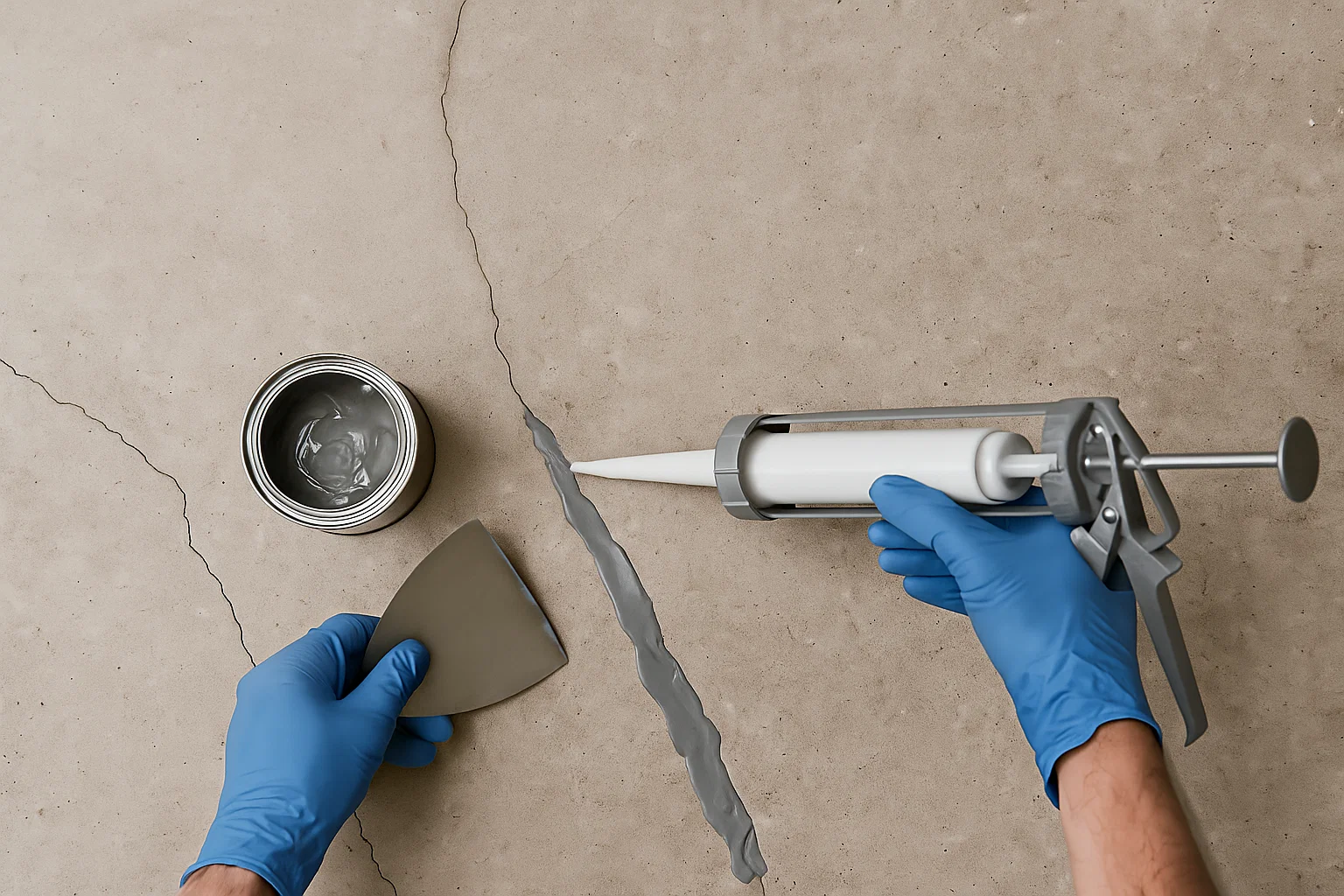
- Prepare the Surface: A clean, properly prepared surface is essential for a successful application. Use mechanical methods like grinding or shot blasting to roughen the surface for better adhesion. Repair cracks and other imperfections to ensure the coating adheres properly and remains durable.
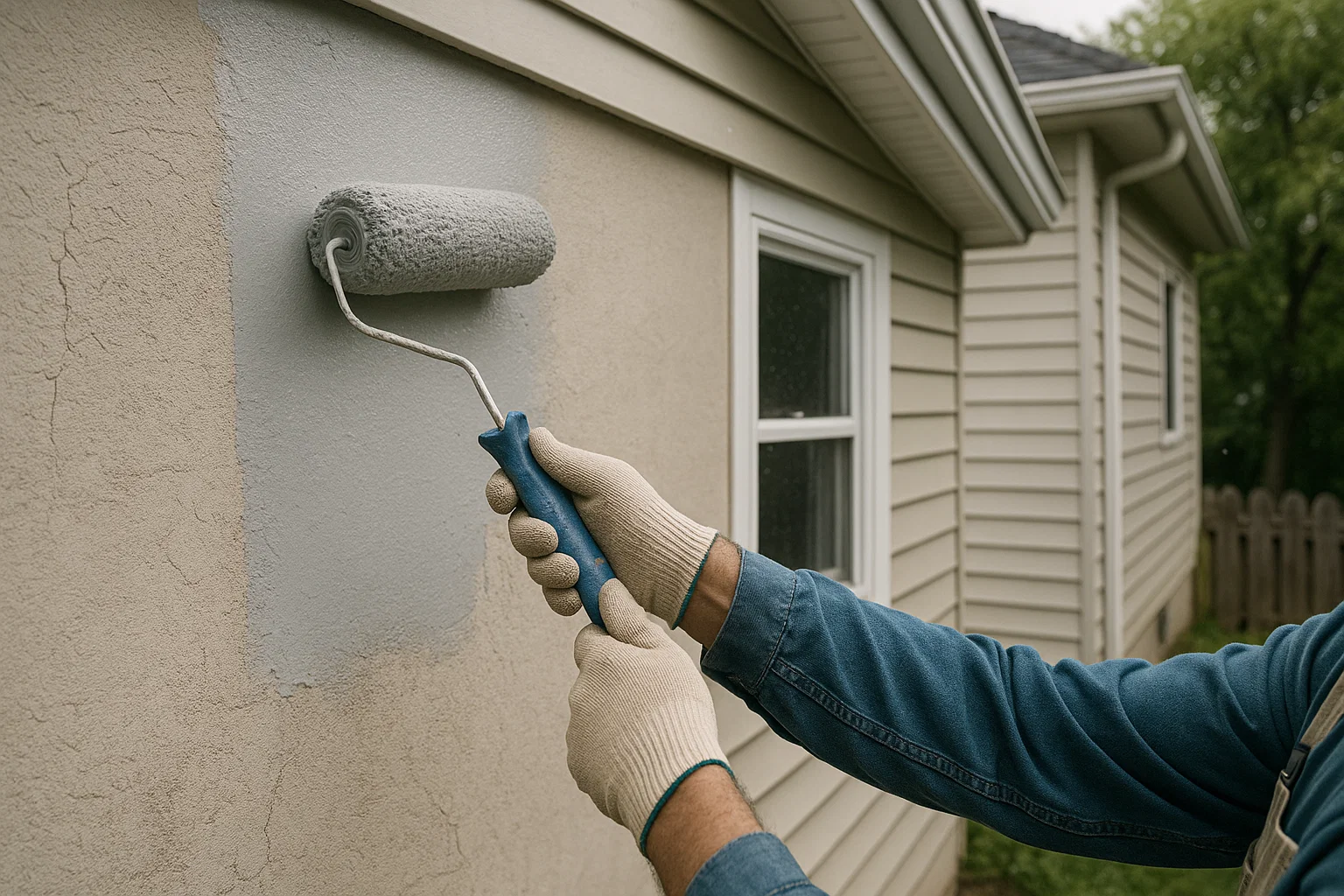
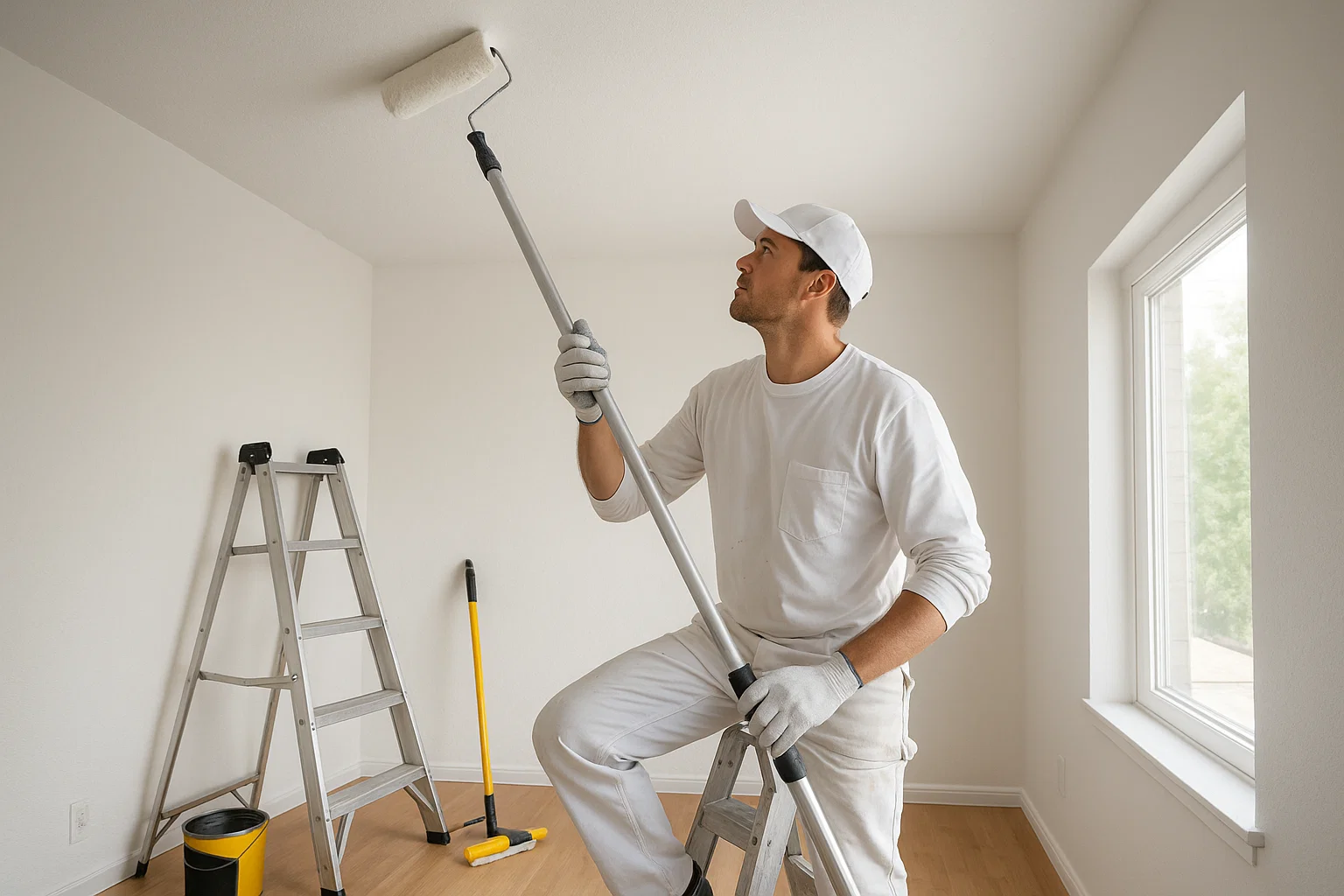
- Select the Right Application Equipment: Depending on the type of coating, the application tools matter. Rollers, brushes, or spray equipment should be chosen based on the product and the desired finish. Using the correct tools helps achieve an even, durable layer with fewer weak spots.
- Apply in Ideal Conditions: Make sure you apply the coating under the recommended temperature and humidity conditions. Following the manufacturer’s guidelines ensures proper curing and the best possible outcome for your coating’s performance.
Daily Maintenance for Concrete Floors
Once your concrete floor coating is in place, the key to longevity lies in regular, simple maintenance. Here’s a basic daily routine to keep your floors looking and performing their best:
- Dust and Sweep Daily: Dirt and debris can cause scratches over time, so sweep or dust your floors with a soft-bristle broom or microfiber mop every day.
- Weekly Mopping: Once a week, mop the floor with a mild detergent solution to remove any buildup. Avoid harsh chemicals, which can damage the coating.
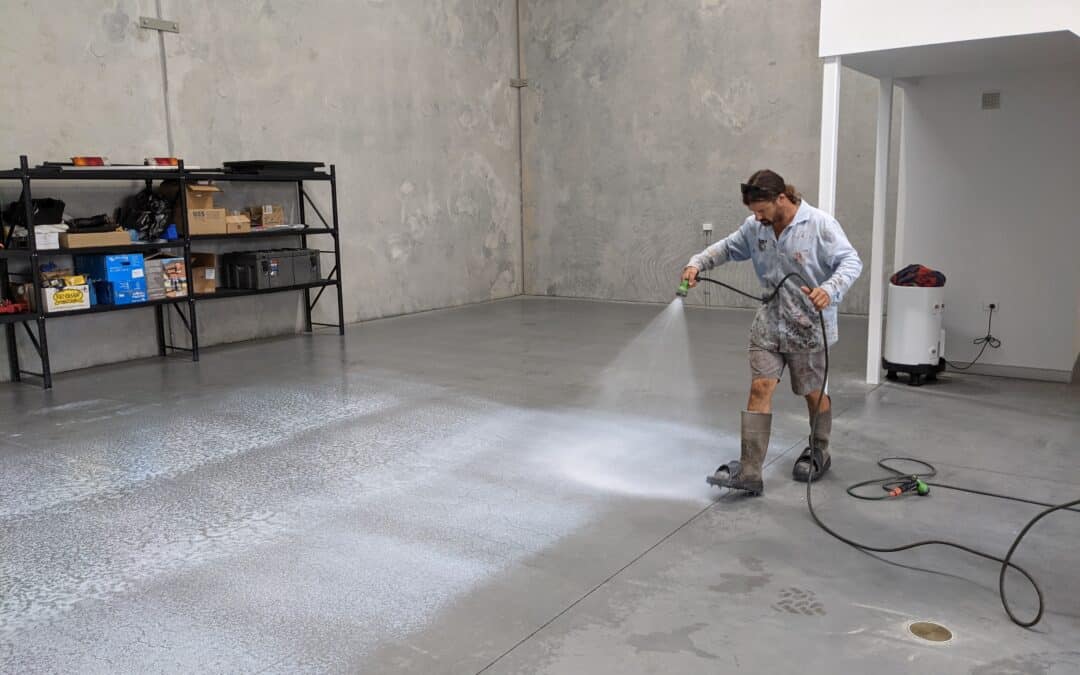
- Rinse After Mopping: After mopping, rinse the floor to remove detergent residue that could cause slippery spots.
- Spot Clean Spills Immediately: Address spills as soon as they happen. Use a pH-neutral cleaner for oil, grease, or food stains, and make sure to rinse the area thoroughly afterward.
Dealing with Stubborn Stains and Scratches
In high-traffic areas, stubborn stains and scratches are inevitable. Here’s how to handle tougher cleaning tasks:
- Use Specialized Cleaners: For tough stains like oil, grease, or rust, look for cleaners formulated specifically for concrete coatings.
- Buff Out Light Scratches: For minor scratches, use a soft pad or fine-grit abrasive. Deeper scratches may require professional attention or a touch-up coating.
- Prevent Chemical Damage: Keep a spill kit handy for quick cleanup of chemical spills. Over time, chemicals can erode even the toughest coatings, so quick action is essential.
Preventative Maintenance Tips
Preventing wear and tear is more cost-effective than repairs. Here are a few tips to help your concrete floor coating stay in great condition:
- Use Mats in High-Traffic Areas: Place non-slip, chemical-resistant mats in areas that see heavy foot traffic or equipment to prevent unnecessary wear.
- Protect Floors from Heavy Equipment: If heavy machinery is used on your floors, consider placing protective mats or padding beneath the equipment to prevent dents or gouges.
- Train Employees on Floor Care: In commercial spaces, educating staff on proper floor care can help ensure that everyone is on the same page about maintaining your floors.
- Conduct Regular Inspections: Regularly inspect the floor for cracks, peeling, or other signs of wear. Catching small problems early can save you from bigger, more expensive repairs later.
When to Call a Professional for Maintenance
Even with regular care, professional maintenance is still essential. Here’s when it’s time to bring in the experts:
- Annual Deep Cleaning: Once a year, schedule a professional cleaning to remove accumulated grime and restore the coating’s shine.
- Polishing: If your floor coating has a gloss finish, professional polishing can remove scuff marks and restore its luster.
- Re-sealing: Depending on your coating and its use, re-sealing may be needed every 2 to 5 years. This helps maintain resistance to stains and abrasion.
- Re-coating: If your floors show signs of wear, like fading color or patches where the coating has worn away, consider re-coating the surface for a fresh, protective layer.
Choosing the Right Cleaning Products
Selecting the right cleaning products is vital for preserving your floor’s appearance and durability:
- Use pH-Neutral Cleaners: Always opt for pH-neutral cleaners to prevent damaging the coating’s finish. Avoid harsh chemicals or cleaners with extreme pH levels.
- Avoid Abrasives: Never use abrasive scrubbers or harsh brushes, as they can scratch and wear down the surface of your floor.
- Consult the Manufacturer: Many floor coating manufacturers provide specific recommendations for cleaning products and practices. Always follow their guidelines to ensure the longevity of your coating.
Common Mistakes to Avoid
Here are some common maintenance mistakes that could shorten the life of your concrete floor coating:
- Using Excess Water: Avoid saturating your floors with water. Too much moisture can seep into cracks or cause the coating to lift.
- Applying Harsh Chemicals: Strong chemicals can strip away or damage your coating’s surface. Stick to safe, pH-neutral cleaners.
- Ignoring Minor Issues: Address small stains, chips, and scratches immediately before they become more significant problems.
- Overusing Wax or Polish: Many high-gloss coatings don’t need extra polish. Overuse of wax can create a slippery surface and dull the shine.
Conclusion
Maintaining a concrete floor coating is a simple but effective way to protect your investment and keep your space looking great for years to come. With daily cleaning, preventive care, and occasional professional maintenance, your concrete floors will continue to perform at their best. By following the tips and guidelines in this guide, you’ll enjoy a safe, durable, and aesthetically pleasing floor coating that offers excellent value for the long haul. Remember, better maintenance leads to better performance—and a little effort goes a long way in keeping your floors in top shape.